
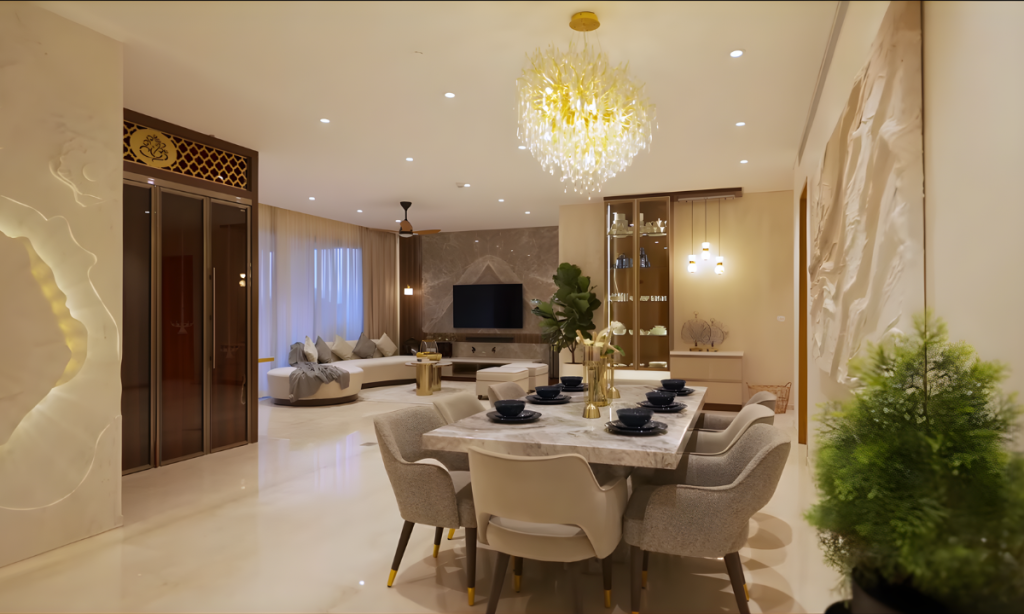
Have you ever wondered how some homes look perfectly planned, beautifully executed, and completely ready to move in without any chaos behind the scenes? A turnkey project plays a powerful role in making that happen, especially when we want a smooth, stress-free interior journey from concept to completion.
Today, many homeowners prefer working with premium interior designers in Bangalore because they understand the importance of managing everything under one structured system.
But what exactly is the role of a turnkey project interior design, and why is it becoming the preferred approach for luxury homes? Let us explore this step by step and uncover how it transforms not just spaces, but the entire experience of designing a home.
By the end of this blog, you will clearly understand why turnkey projects are redefining modern interior design and how they simplify your journey more than you imagine.
Key Points at a Glance
- A turnkey project is a complete end-to-end interior solution.
- It includes design, execution, procurement, and final handover.
- You get a single point of accountability.
- It reduces stress, delays, and cost overruns.
- Perfect for luxury living room interiors and luxury kitchen interiors.
- Ensures better quality control and timeline management.
- Offers clarity in budgeting and execution.
- Creates cohesive, well-planned spaces.
What is a Turnkey Project in Interior Design?
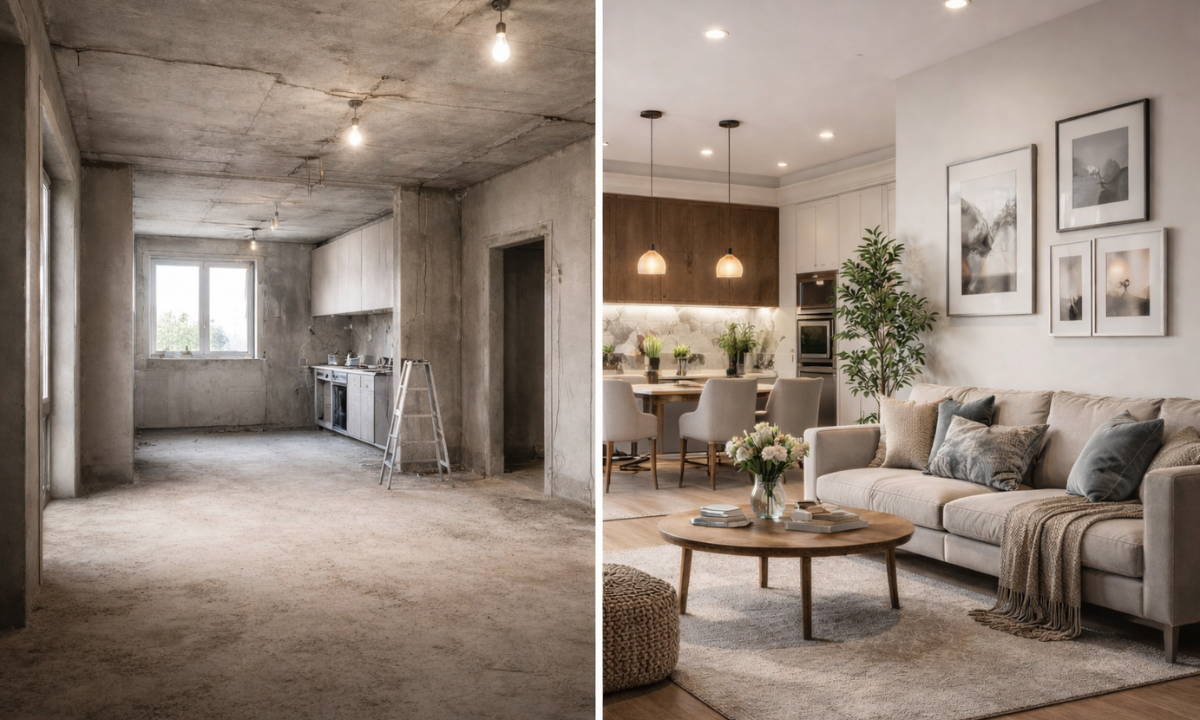
In simple words, a turnkey project interior design means we handle everything for you. From the first design discussion to the final styling and handover, the entire responsibility lies with one team.
You do not need to coordinate with carpenters, electricians, painters, or vendors separately. Instead, the process is streamlined through a single agency that manages planning, sourcing, and execution under one system.
The result is a ready-to-move-in space where you simply turn the key and step inside.
Why Turnkey Projects Matter in Interior Design
Interior design is not just about selecting furniture or colors. It involves planning, budgeting, vendor management, timelines, materials, lighting, and detailing.
Without structured management, even a simple project can become overwhelming. This is where turnkey interior design changes the experience.
Here is why it matters:
- It ensures clarity from day one.
- It aligns design vision with execution.
- It reduces miscommunication.
- It improves overall quality.
- It saves time and effort.
Traditional Interior Model Vs Turnkey Model
Let us understand the difference clearly.
| Feature | Traditional Interior Design | Turnkey Project Interior Design |
|---|---|---|
| Vendor Management | Client handles multiple vendors | One agency manages all |
| Budget Control | Can fluctuate | Structured and planned |
| Timeline | Often unpredictable | Predefined schedule |
| Accountability | Shared responsibility | Single point accountability |
| Stress Level | High | Minimal |
With a turnkey project, we take complete ownership of the outcome.
The Core Role of a Turnkey Project Interior Design
The real role of a turnkey project is integration.
It connects design, procurement, execution, and final delivery into one seamless workflow. Instead of fragmented services, everything works in coordination.
This integration ensures:
- Better quality finishes
- Reduced wastage
- Clear communication
- Faster completion
- Consistent design language
Role of a Turnkey Project in Planning and Design
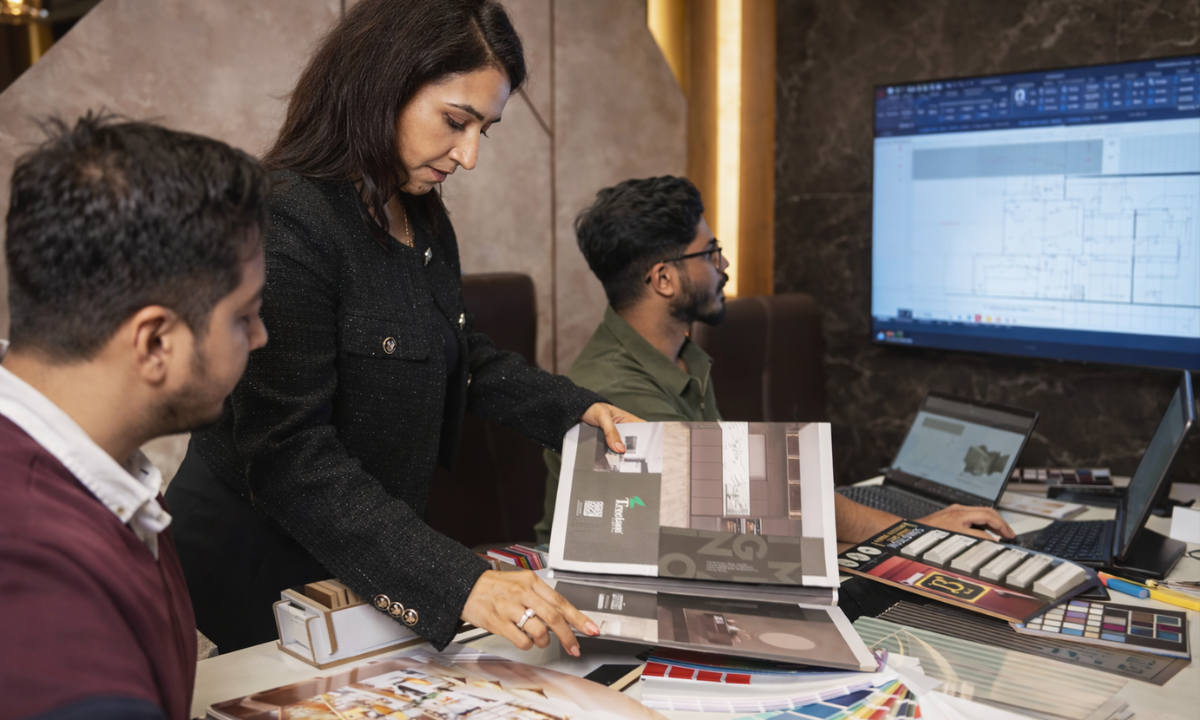
The foundation of any successful project is detailed planning. In a turnkey interior design model, we do not rush into execution. We invest time in understanding your vision, lifestyle, and daily routines so that every design decision is meaningful and practical.
Before any work begins on site, we carefully structure the entire design framework. This includes:
- Understanding lifestyle needs
- Space planning
- Concept development
- 3D visualizations
- Material selection
- Lighting design
When planning is completed thoroughly before execution begins, mistakes are reduced significantly. It ensures clarity, better coordination, and a smoother transformation process.
Role in Budget Management
Budget overruns are one of the biggest concerns in interior projects.
A turnkey project helps by dividing costs clearly from the beginning.
| Category | What It Covers |
|---|---|
| Civil Work | Flooring, tiling, structural changes |
| Carpentry | Wardrobes, modular kitchens |
| Electrical | Lighting, wiring |
| Furniture | Sofas, beds, tables |
| Decor | Curtains, accessories |
| Project Management | Supervision and coordination |
Since everything is estimated in advance, surprises are minimized.
Role in Timeline Control
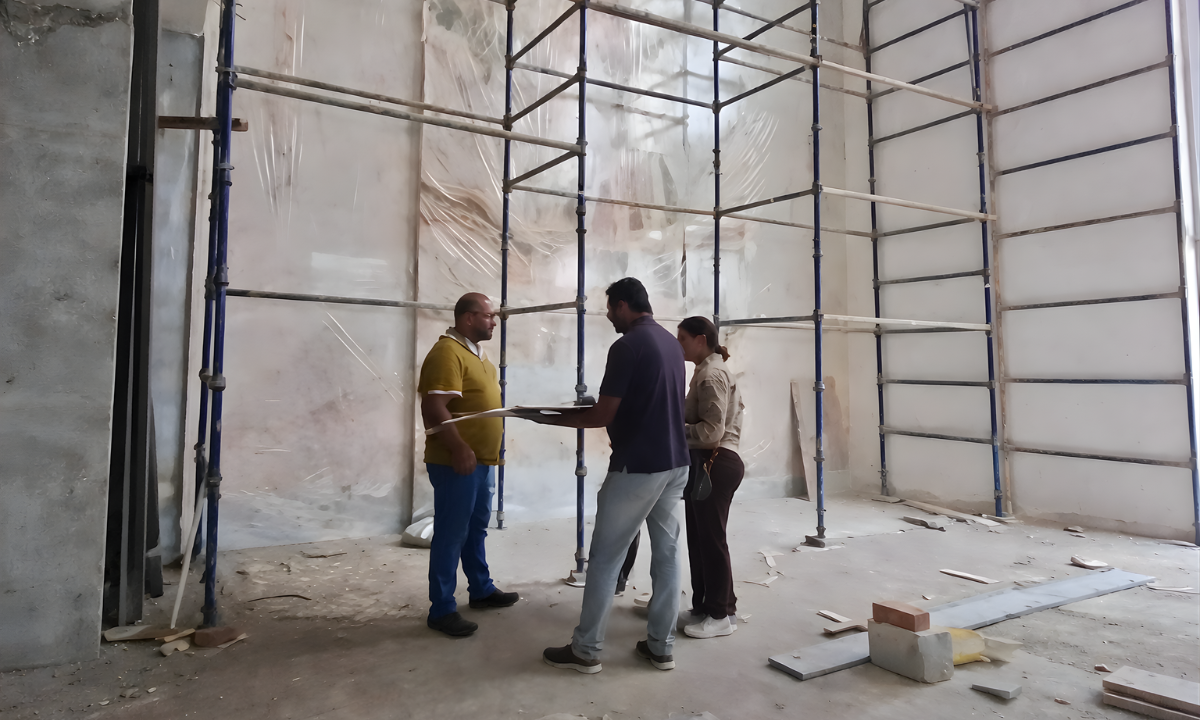
Time management is crucial in any interior project. Even a small delay in carpentry or material delivery can affect painting, electrical work, and final installations. Without proper coordination, the entire schedule can easily shift.
In a turnkey model, timelines are not left to chance. Everything is planned and aligned in advance to ensure smooth progress. This includes:
- Work schedules are predefined.
- Materials are ordered on time.
- Installation sequences are planned.
- Execution follows a structured timeline.
This ensures the project moves smoothly from start to finish, reducing delays and creating a predictable, stress-free experience.
Role in Quality Control
Quality is one of the most important aspects of interior design, especially in premium and luxury homes. When multiple vendors work independently without a unified system, inconsistencies in materials, finishes, and workmanship can easily occur.
In a turnkey project, quality is carefully managed under one structured framework. This includes:
- Material selection is centralized.
- Execution standards are monitored.
- Finishing details are supervised.
- Quality checks are conducted at each stage.
This creates consistency across the entire home, ensuring that every space reflects the same level of precision, durability, and refined finish.
Role in Vendor Coordination
Vendor coordination can be one of the most challenging aspects of an interior project. Each specialist works on a different stage, and without proper planning, miscommunication can lead to delays, rework, or inconsistent results.
In a turnkey interior design system, all vendors are aligned under one structured management process. This includes:
- Carpenters
- Electricians
- Plumbers
- Painters
- Fabricators
- Furniture suppliers
Since everything is handled internally or under one supervision structure, confusion is minimized. This ensures smoother collaboration, better efficiency, and a more refined outcome.
Role in Smart Technology Integration
Modern homes require automation.
In turnkey projects, we plan wiring and automation systems during the design stage. This ensures smart lighting, climate control, and security systems are integrated seamlessly without visible clutter.
Role in Luxury Living Room Interior Design
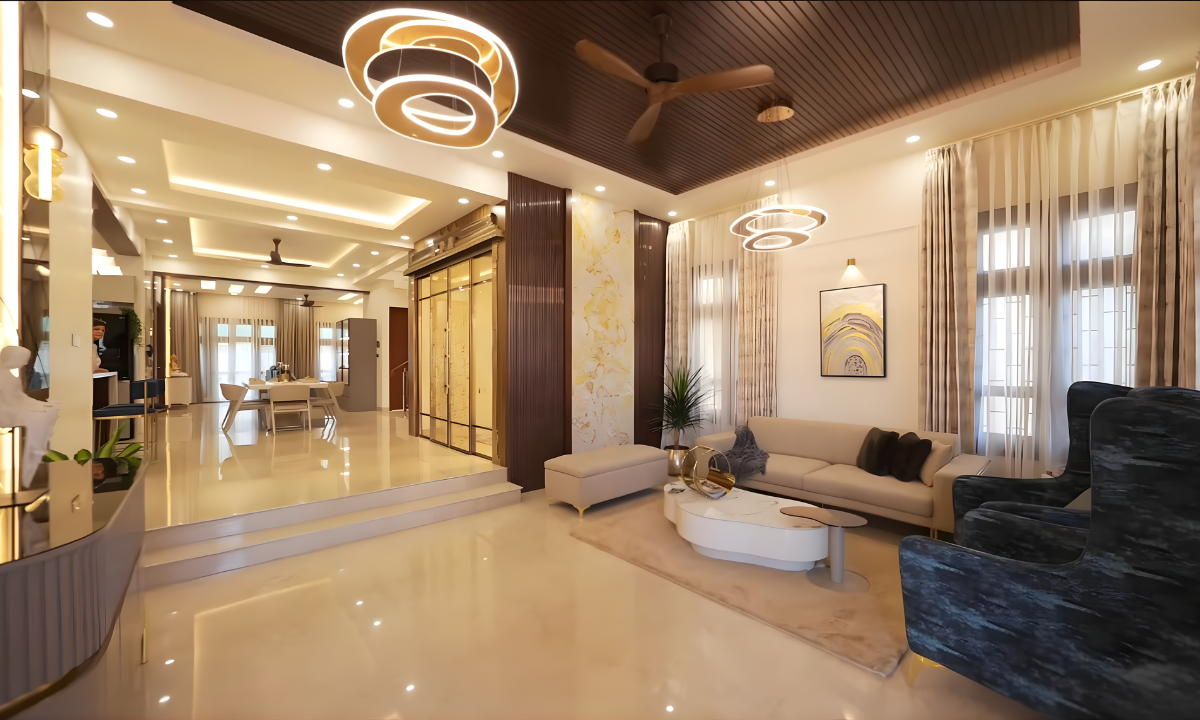
A luxury living room interior requires more than premium furniture. It requires careful coordination of lighting, layout, textures, and finishes.
In a turnkey project, we plan:
| Element | Role |
|---|---|
| Custom sofas | Comfort and statement |
| Feature walls | Visual focus |
| False ceiling | Depth and lighting concealment |
| Layered lighting | Balanced illumination |
| Smart controls | Convenience |
When everything is executed under one system, the living room feels cohesive and elegant.
Role of Turnkey Projects in Bedroom Design
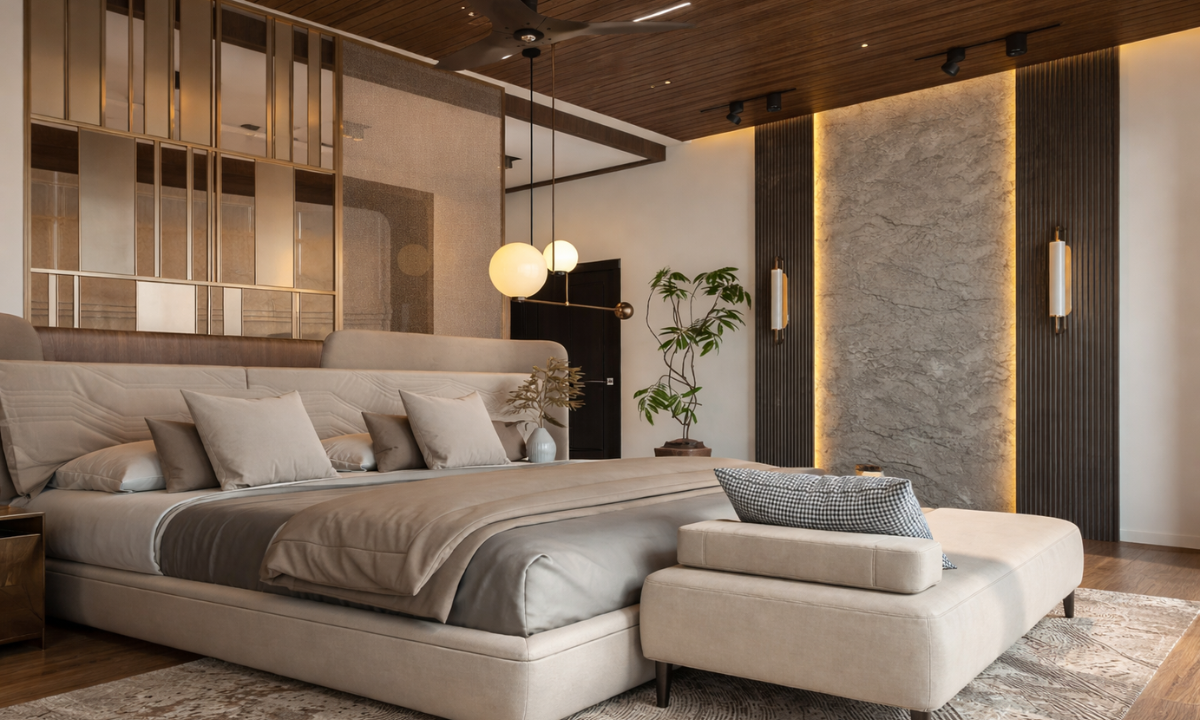
A bedroom should feel peaceful, private, and deeply personal. In a turnkey project interior design approach, we carefully plan layouts, wardrobes, lighting, and finishes together so the space feels balanced and clutter-free.
For example, we coordinate custom wardrobes, upholstered headboards, bedside lighting, false ceilings, and even smart lighting controls in one structured plan. This ensures the bedroom is not just visually appealing but also functional, comfortable, and easy to maintain.
Role in Luxury Kitchen Interiors
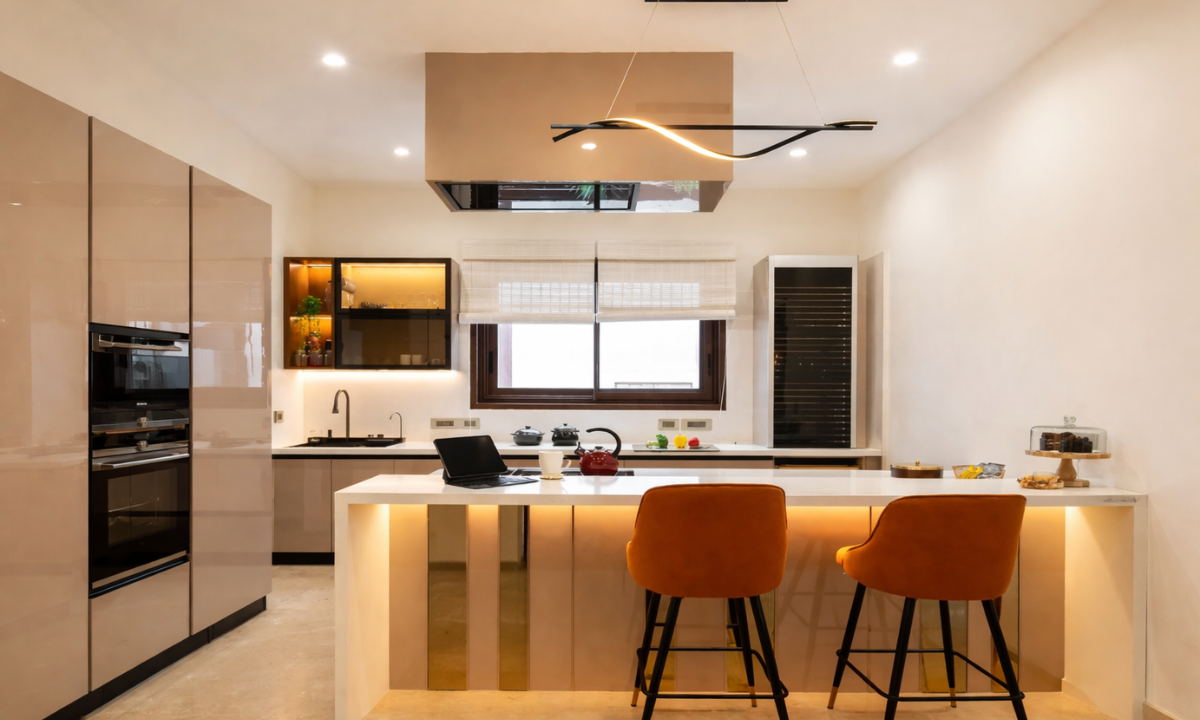
Luxury kitchen interiors demand precision and functionality.
With a turnkey approach, we integrate:
| Elements | Role |
|---|---|
| Modular cabinetry | Optimized storage |
| Premium countertops | Durability |
| Built-in appliances | Seamless look |
| Task lighting | Functional illumination |
| Ventilation planning | Comfort |
Since plumbing, electrical, and cabinetry are planned together, the result is efficient and stylish.
Role of Turnkey Projects in Bathroom Design
Bathrooms require technical precision along with aesthetic planning. In a turnkey project, plumbing, waterproofing, tiling, sanitary fittings, and lighting are all managed under one system to avoid future issues.
We integrate vanity units, premium fittings, anti-skid flooring, layered lighting, and glass shower partitions seamlessly. When execution is coordinated properly, the bathroom becomes both practical and spa-like, without the risk of leakage problems or finishing inconsistencies.
Who should choose a Turnkey Project?
Not every homeowner has the time or flexibility to manage an interior project personally. Coordinating vendors, visiting sites regularly, and tracking timelines can quickly become overwhelming, especially when balancing work and family commitments.
This is why a turnkey project model is ideal for people who prefer a structured and professionally managed process. It is especially suitable for:
- Busy professionals
- NRIs
- Investors
- Families relocating to cities
- Homeowners seeking premium finishes
It simplifies the entire journey while ensuring high-quality outcomes, clear accountability, and a smooth transition into your newly designed space.
Tips before choosing a Turnkey Interior Partner
Choosing the right turnkey interior partner is just as important as choosing the design itself. Since one team will manage your entire project from concept to completion, clarity and trust must be established from the very beginning.
Before finalizing your decision, consider the following:
- Review previous projects.
- Ask for a detailed cost breakdown.
- Understand timeline commitments.
- Check warranty policies.
- Clarify payment schedules.
Transparency at the beginning builds trust and ensures a smoother, more confident interior journey.
Common Myths about Turnkey Projects
Let us clear a few misconceptions.
| Myth | Reality |
|---|---|
| It is expensive | It prevents hidden costs |
| It limits creativity | Designs are fully customised |
| It suits only big homes | Works for apartments and villas |
| It reduces client involvement | Clients approve designs before execution |
Understanding the truth helps in making confident decisions.
Is a Turnkey Project Worth it?
If you value time, clarity, and structured execution, the answer is yes.
Instead of managing multiple contractors and worrying about delays, you get a smooth experience. The focus shifts from stress to enjoying the transformation.
Final Thoughts
A turnkey project plays a transformative role in interior design by bringing structure, clarity, and accountability into the process. When design, planning, execution, and styling work together seamlessly, the result is not just a beautiful space but a stress-free journey.
That is why many homeowners today choose premium interior designers in Bangalore who follow this model to deliver refined and cohesive spaces. At The KariGhars, we believe in combining creativity with structured execution to create homes that reflect elegance, precision, and thoughtful design.
When you work with experienced luxury interior designers in Bangalore, you are not just investing in aesthetics; you are investing in a process that ensures your vision is brought to life smoothly and beautifully. Sometimes, the real luxury is not just in the design, but in how effortlessly it comes together.
Frequently Asked Questions
1. What is the main role of a turnkey project in interior design?
The main role of a turnkey project in interior design is to manage the entire process from the initial concept to the final handover under one structured system. Instead of dividing responsibilities among multiple vendors, one professional team takes full ownership of planning, budgeting, sourcing, execution, and finishing.
This approach ensures accountability at every stage. It improves quality control, keeps timelines on track, and reduces confusion. When everything is handled under one system, the design vision is executed exactly as planned, without compromise.
2. Is turnkey interior design suitable for luxury homes?
Yes, turnkey interior design is especially beneficial for luxury homes. High-end spaces require precision, premium materials, detailed craftsmanship, and careful coordination between various elements such as lighting, furniture, finishes, and technology.
Through structured planning and supervision, luxury features like custom wardrobes, statement lighting, luxury living room interior layouts, and luxury kitchen interiors are executed seamlessly. This ensures the final result reflects elegance, sophistication, and consistent quality throughout the home.
3. How does a turnkey project reduce stress?
A turnkey project reduces stress by eliminating the need to manage multiple contractors, suppliers, and site activities. Instead of making daily calls to carpenters, electricians, and vendors, you communicate with a single point of contact who oversees everything.
Since planning, budgeting, and timelines are defined before execution begins, there are fewer unexpected issues. Regular updates and professional supervision ensure smooth progress, allowing you to focus on your routine while the transformation happens efficiently.
4. Can I customize my design in a turnkey model?
Absolutely. A turnkey model does not limit creativity or personalization. In fact, customization is one of its strongest advantages.
Before any execution begins, we work closely with you to understand your preferences, lifestyle, storage needs, color palette, and design expectations. Detailed layouts and 3D visualizations are shared for approval. Only after your final confirmation does the execution begin, ensuring that the finished space truly reflects your personality and vision.
5. How long does a turnkey project usually take?
The duration of a turnkey project depends on factors such as the size of the property, the level of customization, and the scope of work involved. On average, a standard apartment may take around 8 to 12 weeks, while larger villas or highly customized homes may take 12 to 16 weeks or more.
Since turnkey projects follow a structured timeline, tasks are scheduled in advance and executed in a planned sequence. This reduces delays and ensures better coordination compared to projects where multiple independent vendors work separately.
Reference: https://www.ceebeedesignstudio.com/what-is-a-turnkey-project-in-interior-design
