

Modern kitchen spaces are more than just functional areas for cooking; they are social hubs of our homes where style meets utility. Among all elements that define a kitchen’s character, a modern kitchen false ceiling design stands out as one of the most transformative features.
A well-designed false ceiling instantly elevates the aesthetics, adds layers of light, improves ambience, and brings harmony to the kitchen’s look and feel.
In this blog, we will explore every aspect of kitchen false ceilings, from design styles and materials to lighting ideas, practical tips, mistakes to avoid, and visual inspiration, so that by the end, you feel confident in planning or choosing the perfect false ceiling for your dream kitchen.
Ready to redesign your kitchen from top to bottom? Let’s dive in!
Key Points
- What a kitchen false ceiling is and why it matters
- Popular styles of the latest false ceiling design for the kitchen
- Material options with pros and cons in easy-to-read tables
- How lighting integrates with false ceilings
- Practical modern kitchen ceiling design ideas for different kitchen layouts
- Budget and maintenance tips
What Is a Kitchen False Ceiling and Why Does It Matter
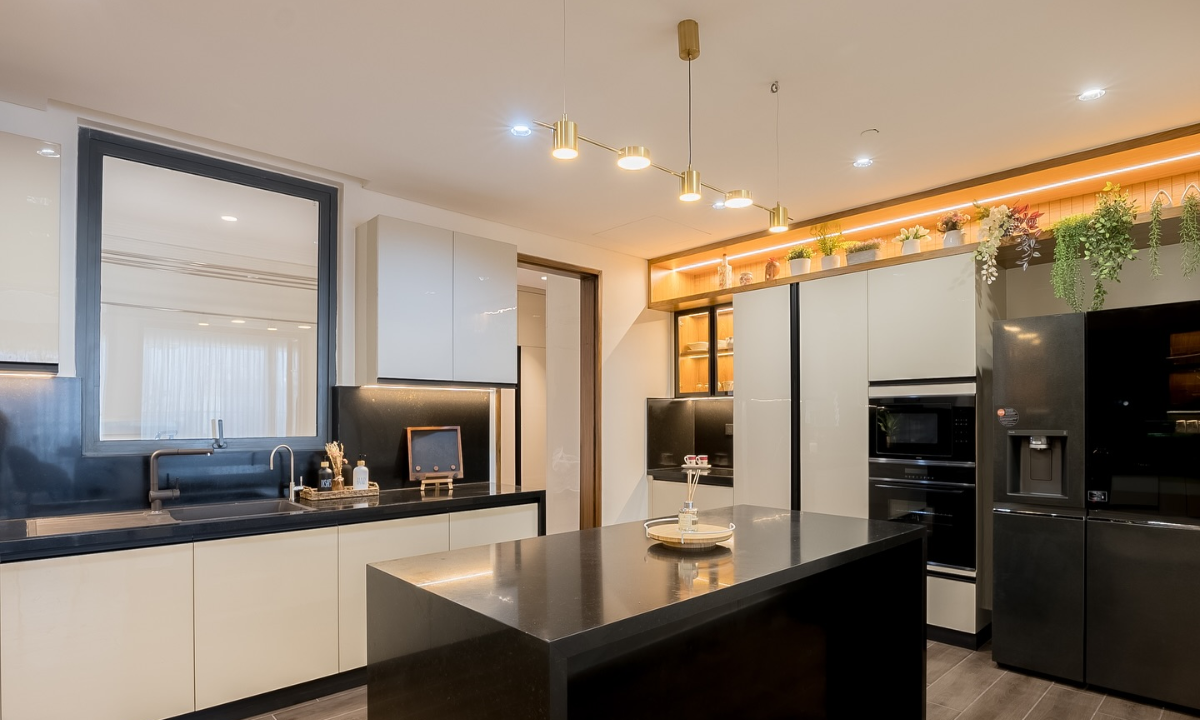
A kitchen false ceiling is a secondary ceiling suspended below the main ceiling. It hides wires, ducts, and service elements while allowing you to incorporate lighting, ventilation, and decorative design elements elegantly. In kitchens, this is especially significant because it combines practicality (like hiding exhaust chutes or air ducts) with design aesthetics.
Unlike traditional ceilings, a thoughtfully designed false ceiling enhances light distribution, offers ease of maintenance, and creates visual depth in your kitchen.
Benefits of a Modern Kitchen False Ceiling Design
When done right, a false ceiling in your kitchen can:
- Elevate the visual appeal of the space
- Enhance ambient and task lighting
- Conceal electrical and ductwork
- Improve insulation and acoustics
- Define different functional zones
Think of it as adding an extra layer of style that also serves real everyday functions; that’s the power of a modern false ceiling.
What Are The Latest False Ceiling Design For Kitchen
Here are some of the most popular and trending ceiling design ideas that we’re seeing in modern kitchens today:
1. Minimalist Flat Ceiling
This is a clean, streamlined option perfect for small to medium kitchens. A flat false ceiling with recessed LEDs creates a bright and uncluttered finish.
2. Layered Tray Ceiling
Tray ceilings add dimension with recessed layers and ambient lighting. They create depth and highlight the architectural design of your kitchen.
3. Grid or Geometric Panels
Geometric designs add a modern architectural touch; think rectangles, squares, or interlocking panels that add visual interest and style.
4. Wood-Accent False Ceiling
Wood tones add warmth and organic texture to modern kitchens while contrasting beautifully with sleek cabinetry.
5. PVC or Moisture-Resistant Panels
Great for high-humidity kitchens, PVC ceilings are easy to clean and maintain while offering modern finishes.
6. Cove Lighting Strategy
Rather than elaborate designs, hidden cove lights along the edges can create stunning indirect lighting that enhances ambience and day-to-day functionality.
Comparing Kitchen False Ceiling Styles and Materials
Here’s an easy table to help you compare material options commonly used in modern kitchen false ceiling designs:
| Material | Pros | Cons | Best Use |
|---|---|---|---|
| Gypsum Board | Sleek finish, easy to design | Needs moisture protection | Contemporary kitchens |
| POP (Plaster of Paris) | Smooth and detailed designs | Can crack if not handled well | Decorative kitchens |
| PVC Panels | Water-resistant & low-maintenance | Sensitive to heat | Wet or humid kitchens |
| Wood/Engineered Wood | Adds warmth & texture | Requires careful maintenance | Luxury or premium kitchens |
Lighting Ideas That Transform Kitchen Interiors
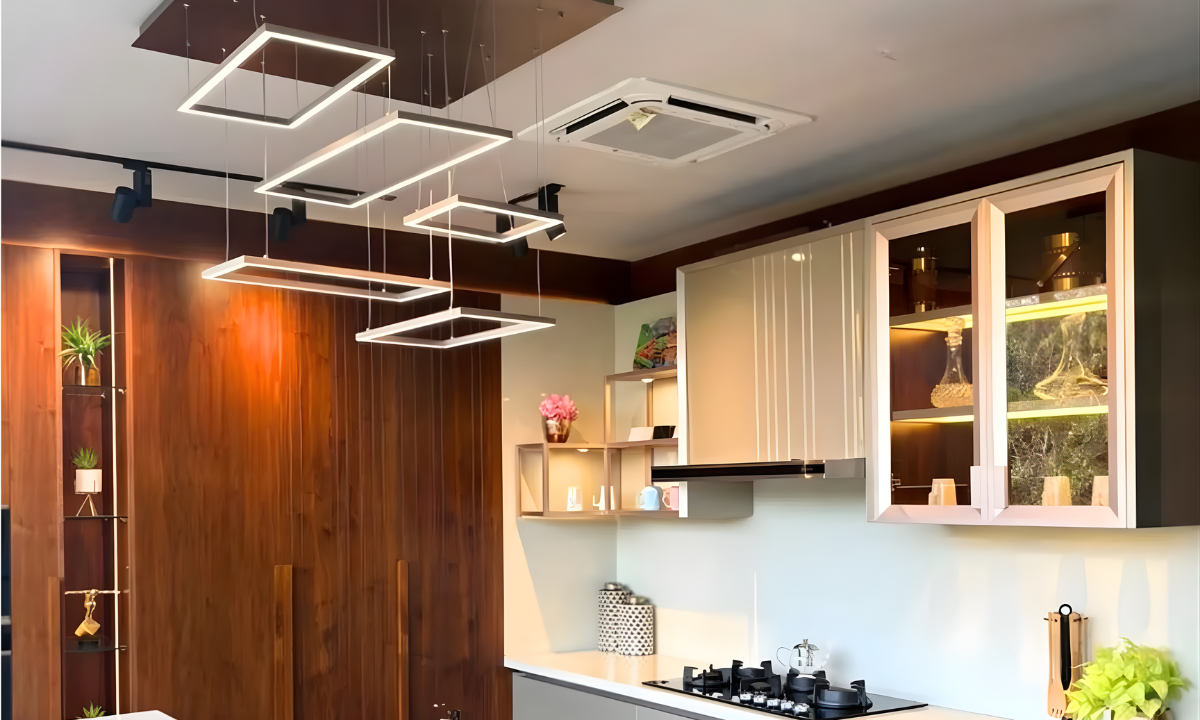
Lighting is where your false ceiling truly comes to life. Good lighting doesn’t just make a kitchen functional; it shapes mood, improves visibility, and elevates the entire design experience.
In modern kitchens, thoughtful lighting complements the modern kitchen false ceiling design, making your space feel bright, warm, and welcoming from morning breakfasts to late-night cooking.
A well-lit kitchen also helps eliminate shadows, reduces eye strain while you work, and highlights design details you love most.
Layered Lighting Approach
When planning lighting, we always recommend a layered system, which means using multiple light types together to create both function and ambience.
A layered lighting approach ensures you have the right type of illumination for everyday tasks and a softer feel for relaxed moments.
- Ambient Lights
Ambient lighting is your kitchen’s general lighting source. It ensures every corner feels bright and welcoming. Usually achieved with recessed lights or LED panels embedded into the false ceiling, ambient lights create an even wash of illumination, great for overall brightness without harsh shadows.
- Task Lights
Task lighting focuses on areas where precision matters, like the cooking stove, countertop, sink, or prep zone. These lights should be brighter and targeted to reduce shadows when chopping, washing, or cooking.
Popular task light options include recessed spotlights placed strategically above workspaces and directional track lights that can be angled exactly where you need them.
- Accent Lights
Accent lighting adds drama and style. It highlights design features like a backsplash, architectural ceiling details, or a decorative element in your kitchen. Cove lights hidden in the edges of the false ceiling or ornamental pendant lights over an island serve double duty, illuminating and beautifying the space.
Popular Lighting Options
Here’s a closer look at specific lighting options you can pair with your false ceiling to make your kitchen shine:
- Recessed Spotlights
Recessed spotlights (also known as downlights) are installed flush with the ceiling surface. They offer sleek, focused lighting without taking up visual space. Because they don’t hang down, they keep the kitchen ceiling looking clean and contemporary, ideal if your false ceiling is minimalist.
- LED Strips Along Edges
LED strip lights installed along the edges of a false ceiling create a soft ambient glow. This indirect light adds depth to the ceiling and makes the kitchen feel larger and cozier at the same time. These strips are especially useful in perimeter coves or stepped ceiling layers.
- Pendant Lights
Pendant lights are both functional and decorative. They work beautifully over kitchen islands, breakfast counters, or dining zones. Choose pendants that reflect your kitchen’s personality, sleek metal designs for modern spaces, or artistic glass pendants for a stylish accent.
- Cove Lighting
Cove lighting is a favorite for modern false ceilings. LED strips are hidden inside recessed grooves around the ceiling perimeter, casting a warm, indirect light that softly illuminates the space. This helps create a calm and inviting atmosphere while visually lifting the ceiling plane.
Additional Creative Lighting Ideas
Here are a few more ways to make your kitchen lighting both practical and beautiful:
- Track Lighting: A flexible option where adjustable heads allow you to direct light exactly where it’s needed, perfect in open kitchens or industrial-style designs.
- Statement Chandeliers: If you are aiming for a luxury feel, a chandelier over an island adds sophistication and acts as a focal point.
- Layered Warm & Cool Lighting: Using warmer lights near seating or dining areas and neutral/bright lights in prep zones helps balance mood and functionality.
- Under-cabinet Lights: Although not part of the ceiling, these complement ceiling lighting by eliminating shadowed work surfaces. Even simple LED strips under cabinets make tasks easier.
Tips for Effective Kitchen Lighting
- Plan Lighting Before Installation: Decide lighting points while designing your false ceiling so that fixtures integrate smoothly.
- Use Dimmable Lights: These offer flexibility, bright when you cook and softer when you relax or dine.
- Mix Light Temperatures: Warm light adds comfort; neutral or cool light improves visibility where you need it.
- Avoid Single-Source Lights: Relying on only one ceiling light can create shadows and uneven lighting.
Lighting doesn’t just illuminate your kitchen; it transforms it. With the right combination of layered lights, thoughtful placement, and stylish fixtures, your kitchen can feel bigger, warmer, and more inviting than ever before.
Modern False Ceiling Design For Kitchen Based On Layout
Not all kitchens are the same, so your ceiling design should be tailored to suit the layout and the way you use the space.
The ideal ceiling complements your kitchen’s shape, size, and light conditions, creating harmony between form and function. Below, we break down popular kitchen layouts and the best false ceiling ideas that work with each one.
Small Kitchens
In small kitchens, maximizing light and space is the number one priority. A heavy or overly layered ceiling design can make the space feel low and cluttered. That’s why simple, flat false ceilings are usually the best choice here.
They offer a clean and streamlined look that visually expands the room. Pair this with well-placed lighting, especially recessed lights and bright LEDs, to make every corner feel illuminated and open. The idea is to let light bounce around freely and keep sight lines clear.
We also recommend using lighter ceiling colors like soft white, cream, or pale beige to reflect light and enhance the sense of space. Avoid dark inserts or dramatic shapes that pull the eye downward; the goal is to keep the kitchen feeling tall and airy.
Open Kitchens
Open kitchens share space with dining areas or living rooms, so the ceiling plays a big role in maintaining flow while defining zones subtly. A layered false ceiling design is perfect here. By using different ceiling levels, you can visually separate the cooking area from the adjacent space without using walls.
This creates a sense of structure while retaining an open feel. Hidden lighting (like cove lights) within these layers adds ambience and helps transition between zones. For example, you might use warmer lighting closer to the dining area and brighter task lighting over the cooking zone.
Open kitchens also benefit from creative use of shapes, such as a gentle curve or band across the kitchen area, to subtly anchor the space. This trick brings visual interest without overwhelming the room.
Long or Galley Kitchens
Long or galley kitchens are narrow and linear by design, typically with workspaces on either side. For these layouts, the false ceiling design should echo the linear flow of the kitchen to maintain balance and direction.
Horizontal ceiling elements, such as parallel beams or long LED strip lights, draw the eye across the length of the kitchen. This enhances symmetry and makes the kitchen feel cohesive rather than fragmented.
LED strips are especially effective when integrated into false ceiling grooves or channels, creating a continuous band of light that visually widens the space. You can also alternate light and shadow subtly using strategic placement of recessed lights along the length of the ceiling.
Neutral ceiling colors work well here too, especially if paired with reflective materials or finishes that enhance brightness. The goal is to make the kitchen feel open and fluid rather than boxed in.
L-Shaped Kitchens
L-shaped kitchens follow a corner layout with two adjacent work walls. For this shape, we recommend a false ceiling that mirrors the L-shape, helping unify the design and emphasize the kitchen’s natural flow.
A multi-tiered look with gentle drops can highlight specific zones, like the stove area on one wall and the sink or prep area on the other. Using accent lighting at key points adds visual separation without interrupting continuity.
This layout also works well with mixed lighting, combining recessed spotlights, LED strips along the perimeter, and cove lights in the dropped portions. The result is a kitchen that feels dynamic, functional, and visually well-balanced.
U-Shaped Kitchens
U-shaped kitchens wrap around three walls and offer plenty of workspace. For these expansive layouts, a central false ceiling panel with perimeter lighting works beautifully. This approach draws focus into the centre of the kitchen while subtly framing the work zones.
Adding cove lighting along the edges enhances depth, and warm accent lighting near cabinetry brings out texture and color. Using layered lighting strategically ensures that the workstations remain bright while creating a soft, inviting ambience elsewhere.
For U-shaped kitchens, integrating task lights directly into the false ceiling can reduce shadows and make cooking more comfortable, especially along deeper counter areas.
Kitchen Islands
When your kitchen has an island, the false ceiling becomes a focal feature. A dedicated ceiling tray or panel directly above the island visually anchors it and adds a sense of luxury and balance.
This panel can incorporate pendant lights for decorative impact, along with recessed or strip lighting for even illumination. By aligning lighting with the island’s shape, you reinforce the kitchen’s geometric rhythm while enhancing function.
Matching the ceiling design with materials used elsewhere, like wood tones or metal accents, also creates cohesion and a polished finish.
Ceiling Design Colors & Materials by Layout
Here’s a simple table to help you match colors and materials with your kitchen layout:
| Kitchen Layout | Ceiling Color | Material Suggestion | Lighting Focus |
|---|---|---|---|
| Small | Light & bright | Gypsum or PVC | Recessed light and LED strips |
| Open | Soft neutrals | Layered Gypsum | Cove and Accent lights |
| Long/Galley | Neutral whites | Linear false ceiling | Continuous LED bands |
| L-Shaped | Light and subtle accents | Mixed panels | Task & perimeter lights |
| U-Shaped | Warm neutrals | Layered design | Cove and task lights |
| With Island | Feature colours | Highlight panel | Pendant and recessed lights |
Tips to Choose the Right False Ceiling for Your Kitchen
Here are some practical tips we always recommend:
- Measure ceiling height before deciding on layers; too many drops can make the space feel lower.
- Choose moisture-resistant materials if your kitchen is prone to steam or humidity.
- Plan lighting early and integrate lighting requirements into the design phase.
- Keep service access (for wiring or ducts) in mind while choosing design elements.
Common Mistakes to Avoid
Even beautiful kitchens can get muddled if you fall into these traps:
- Over-designing in small spaces, simplicity often works better.
- Choosing materials incompatible with heat or moisture.
- Forgetting functionality, ensure easy cleaning and maintenance.
- Poor lighting planning: avoid dark cooking zones.
Cost Considerations for Kitchen False Ceilings
| Design Complexity | Approximate Relative Cost |
|---|---|
| Flat ceiling with basic lights | Low |
| Layered tray ceiling with cove lights | Medium |
| Wooden panels or premium details | High |
Pro tip: Planning upfront with accurate measurements and material choices will help you avoid cost surprises later.
Maintenance Tips for Long-Lasting Results
Follow these simple maintenance steps:
- Dust regularly using a soft brush or cloth.
- Avoid abrasive cleaners on PVC; a damp cloth works best.
- Check for any moisture damage near cooking zones and address it early.
- Replace lighting bulbs periodically for consistent brightness.
Closing Thoughts
A modern kitchen false ceiling design can genuinely redefine your kitchen space, making it more inviting, functional, and beautiful. With the right design choices, smart lighting, and material selection that fits your lifestyle, you can create a kitchen that feels bright, cohesive, and uniquely yours.
If you are looking for expert guidance to bring your vision to life, working with experienced interior designers in Delhi ensures your space reflects both style and practicality.
When you blend design insight with thoughtful planning, like we do at The KariGhars, your kitchen ceiling becomes more than just functional; it becomes an inspiring focal point of your home.
FAQs
1. Can we use POP ceilings in kitchens?
Yes, POP ceilings can be used in kitchens, but they need careful planning. Since kitchens generate steam, smoke, and heat, POP works best in areas away from the stove and chimney.
Proper ventilation and a good exhaust system are essential to prevent moisture damage, cracks, or discoloration over time.
2. Which material suits modern kitchens best?
Gypsum and PVC are the most suitable materials for modern kitchens. Gypsum offers a smooth, seamless finish and supports clean, contemporary designs with integrated lighting.
PVC, on the other hand, is highly moisture-resistant and easy to clean, making it ideal for kitchens with heavy cooking or high humidity levels.
3. Does a false ceiling reduce kitchen height?
Yes, a false ceiling slightly reduces the overall ceiling height, but smart design choices minimize this impact. Using slim profiles, minimal layers, and light colors helps maintain an open and spacious feel. In most modern kitchens, the visual benefits and functional advantages easily outweigh the small reduction in height.
4. How much does a kitchen false ceiling cost?
The cost of a kitchen false ceiling depends on factors such as material, design complexity, lighting, and kitchen size.
Simple flat ceilings with basic lighting are more budget-friendly, while layered designs, wooden accents, or premium lighting increase the overall cost. Planning the design early helps balance aesthetics and budget effectively.
Reference:
https://www.designcafe.com/blog/modular-kitchen-interiors/kitchen-ceiling-lighting-ideas/