
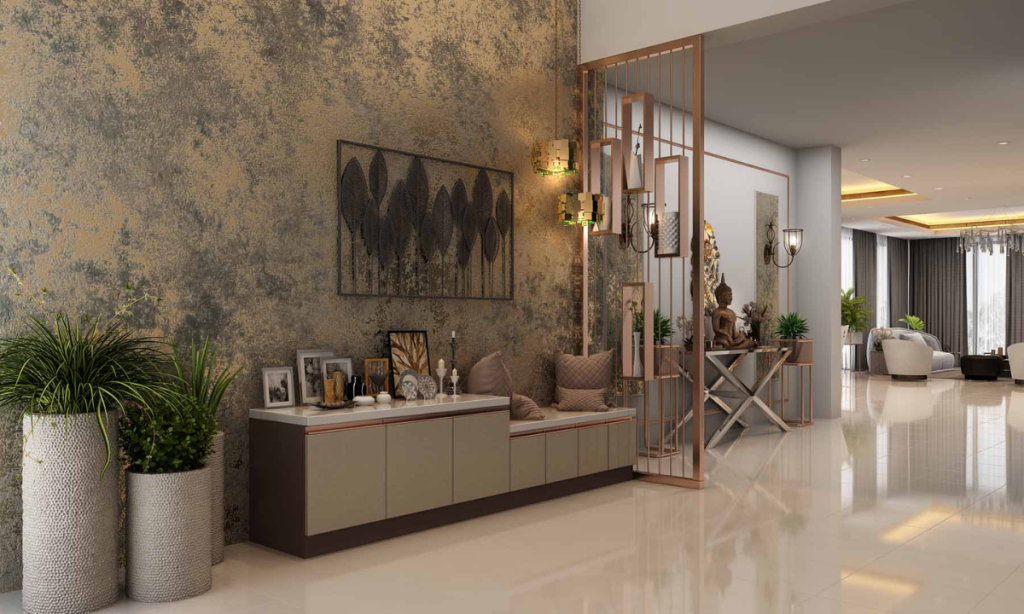
Have you ever wondered what really happens behind the scenes before a beautifully designed home or office is handed over? Many people admire stunning spaces but are unaware of the structured interior design process that transforms empty rooms into functional works of art.
Whether you are planning a luxury residence or exploring turnkey projects, understanding the journey helps you make confident decisions, especially when working with experienced interior designers in Gurgaon.
In this blog, we break down the complete step-by-step interior design process checklist in a simple way so you know exactly what to expect from start to finish.
Key Points at a Glance
- The process follows 8 clear and structured stages
- Each step ensures clarity, creativity, and quality execution
- Budget transparency is built into the system
- Turnkey interior design simplifies coordination and saves time
- Proper supervision ensures timely completion
- Final styling brings the entire vision to life
The 8 Steps in the Interior Design Process
The interior design process is a structured journey that transforms ideas into a fully executed space through planning, creativity, and coordination. By following clear steps in the interior design process, we ensure every detail is thoughtfully designed, budgeted, and implemented without confusion.
We follow a well-planned sequence to ensure every project runs smoothly. Below is a simplified table to help you understand the journey.
| Step | Stage | Purpose | Outcome |
|---|---|---|---|
| 1 | Client Consultation | Understand vision & requirements | Clear design brief |
| 2 | Site Analysis | Measure & evaluate space | Feasible planning |
| 3 | Concept Development | Create theme & mood boards | Design direction |
| 4 | Design Development | Detailed drawings & 3D | Visual clarity |
| 5 | Budgeting | Cost planning & documentation | Financial transparency |
| 6 | Procurement | Sourcing materials & furniture | Organized logistics |
| 7 | Execution | Construction & supervision | Quality implementation |
| 8 | Styling & Handover | Final décor & walkthrough | Ready-to-move space |
Now, let us understand each step in detail.
Step 1: Client Consultation & Briefing
Every successful design begins with listening. We conduct an in-depth discussion to understand your lifestyle, preferences, functionality needs, and budget.
At this stage, we also discuss timelines, family requirements, space challenges, and long-term goals to ensure clarity from the beginning. This initial briefing forms the foundation of the entire interior design process and helps us align creativity with practicality.
This is where we ask questions like:
- How do you use your space daily?
- What design style do you prefer?
- What is your timeline?
This stage creates a clear roadmap for the entire project.
Step 2: Site Analysis & Feasibility
Next, we visit the site. We take accurate measurements and photographs and study structural elements.
We carefully evaluate lighting conditions, ventilation, ceiling heights, and existing electrical or plumbing points to understand the space in depth. This step ensures that the proposed design is not only visually appealing but also technically practical and safe to execute.
We analyze:
- Natural lighting
- Ventilation
- Existing electrical points
- Structural limitations
This ensures that the design is not just beautiful but practical and feasible.
Step 3: Concept Development & Visualization
Here is where creativity begins. Based on your brief, we translate your ideas into a clear design style that reflects your personality and functional needs. This stage connects imagination with planning, ensuring the space has a cohesive theme before moving into detailed drawings.
Based on your brief, we develop:
- Mood boards
- Color palettes
- Material ideas
- Preliminary sketches
For example, if you want a modern luxury theme, we may suggest neutral tones, marble finishes, and sleek furniture.
This stage sets the emotional tone of the space.
Step 4: Detailed Design & 3D Modelling
This is where creativity becomes precise and measurable. We prepare detailed layouts, elevations, and service drawings to ensure every element fits perfectly within the space.
We also create realistic 3D visualizations, so you can clearly see how colors, materials, and furniture will look together before execution begins.
Once the concept is approved, we convert ideas into technical drawings.
This includes:
| Drawing Type | Purpose |
|---|---|
| Floor Plan | Space layout planning |
| Electrical Layout | Light & power placement |
| Furniture Layout | Positioning of elements |
| False Ceiling Plan | Ceiling detailing |
We also provide 3D visualizations. This helps you see the final look before execution begins.
It removes guesswork and increases confidence.
Step 5: Budgeting & Documentation
Transparency is key in any interior design project. At this stage, we prepare a detailed cost estimate.
We break down expenses into clear categories such as materials, labor, furniture, and finishes so you understand exactly where your investment is going.
All approved drawings and specifications are properly documented to ensure contractors execute the project accurately, without confusion or unexpected cost escalations.
The budget typically covers:
- Civil work
- Carpentry
- Electrical & plumbing
- Furniture & decor
- Designer fees
Proper documentation ensures contractors execute the design exactly as approved. This step prevents surprises later.
Step 6: Procurement & Sourcing
In turnkey interior design services, this stage is fully handled by us.
We carefully select trusted vendors and high-quality materials that match the approved design and budget. Our team coordinates orders, timelines, deliveries, and storage to ensure everything reaches the site at the right time.
This streamlined approach reduces delays, avoids miscommunication, and keeps the interior design process smooth and stress-free.
We manage:
- Material selection
- Vendor coordination
- Order tracking
- Quality checks
- Warehousing
This is one of the biggest advantages of turnkey interior design. You do not need to coordinate with multiple vendors; everything is streamlined under one team.
For businesses opting for turnkey office interiors, this stage ensures furniture, workstations, lighting, and finishes are delivered on time.
Step 7: Construction & Supervision
Now the transformation begins.
This is the stage where plans turn into reality through skilled workmanship and careful coordination. We closely monitor site activities to ensure every detail aligns with the approved drawings and quality standards.
Regular inspections, progress tracking, and team coordination help us maintain timelines and prevent costly errors during execution.
Our team supervises:
- Civil modifications
- Carpentry installations
- Electrical work
- Plumbing
- Painting
Regular site visits ensure quality standards are maintained. Timelines are monitored closely to avoid delays.
In turnkey projects, execution is faster because coordination is centralized.
Step 8: Final Styling & Handover
This is the most exciting stage.
At this point, the space truly comes to life as every carefully selected element is placed with precision. We ensure that textures, colours, lighting, and decor pieces blend harmoniously to create a cohesive and luxurious finish.
A final quality check and walkthrough are conducted to ensure everything meets our standards before we officially hand over your beautifully completed space.
We install:
- Furniture
- Curtains
- Lighting fixtures
- Artwork
- Decorative accessories
After a final quality check, we conduct a walkthrough with you. Once everything is approved, the space is handed over, ready to move in.
Why Turnkey Interior Design is Popular
Many homeowners today prefer turnkey interior design because it reduces stress.
With a single team managing design, budgeting, procurement, and execution, the entire process becomes streamlined and well-coordinated. This approach saves time, minimizes delays, and ensures better cost control compared to handling multiple vendors independently.
Here is a quick comparison:
| Traditional Model | Turnkey Model |
|---|---|
| Multiple vendors | Single point of contact |
| Client coordination required | Designer handles everything |
| Higher risk of delays | Streamlined timelines |
| Budget variations possible | Fixed cost planning |
Especially for turnkey interiors in Gurgaon, where timelines are often tight, this model ensures smooth execution.
Example: Residential vs Office Project
| Feature | Residential Project | Turnkey Office Interiors |
|---|---|---|
| Focus | Comfort & lifestyle | Productivity & branding |
| Timeline | Moderate | Fast-track |
| Budget Planning | Flexible | Strict allocation |
| Design Approach | Personalized | Functional and aesthetic |
Understanding these differences helps in setting realistic expectations.
Tips to Ensure a Smooth Interior Design Process
We always recommend:
- To be clear about your budget from day one, A defined budget helps us plan materials, finishes, and layouts realistically without unexpected financial stress.
- To share reference images – Visual examples help us clearly understand your style preferences and design expectations.
- To avoid last-minute changes – Sudden modifications during execution can increase costs and delay timelines.
- To trust the process – Each stage is structured for a reason, and following it ensures quality and efficiency.
- To choose experienced professionals – Skilled designers and supervisors reduce errors, improve coordination, and deliver better results.
Following a structured step-by-step interior design process checklist ensures there are no gaps in planning.
Final Thoughts
Understanding the complete interior design process empowers you to make informed decisions and avoid confusion. Whether you are planning a luxury residence or commercial space, working with trusted interior designers in Gurgaon ensures your project stays structured and stress-free.
At The KariGhars, we believe in combining creativity with precision, especially as one of the trusted luxury interior designers in Gurgaon, delivering high-quality turnkey interior design services. When every step is handled professionally, your dream space is not just imagined; it is executed flawlessly.
Frequently Asked Questions
1. How long does the interior design process take?
The interior design process typically takes between 8 and 16 weeks, depending on the size, scope, and complexity of the project. A small apartment may require less time, while a large luxury home or office space may take longer due to customization and detailing.
Timelines also depend on material availability, approvals, and site conditions. Proper planning and clear communication help ensure smooth and timely completion.
2. Is turnkey interior design more expensive?
Turnkey interior design is not necessarily more expensive; in fact, it often proves cost-effective in the long run. Since a single team manages design, procurement, and execution, there is better budget control and fewer coordination errors. This reduces delays, rework, and unexpected expenses.
With proper documentation and planning, turnkey projects offer financial transparency and efficient resource management.
3. Can changes be made after 3D designs?
Yes, changes can be made after reviewing the 3D designs, especially during the design development stage. Minor revisions such as color adjustments, material swaps, or furniture modifications are usually possible before final documentation is completed.
However, major structural changes at a later stage may impact cost and timeline. That is why reviewing 3D visualizations carefully ensures clarity and confidence before execution begins.
4. Why is site supervision important?
Site supervision is essential to ensure the project is executed exactly as per the approved drawings and quality standards. Regular monitoring helps identify potential issues early and prevents costly mistakes.
It also ensures materials are installed correctly and timelines are maintained. Proper supervision brings accountability, consistency, and attention to detail, which ultimately results in a well-finished and durable space.
Reference
1. From Google
2. https://fancyinteriors.ae/interior-design-process-explained/
