

Designing your dream home sounds exciting until you start wondering what actually goes into the cost. The interior design cost in Bangalore isn’t just about how big your home is; it’s influenced by a mix of choices, priorities, and design decisions you make along the way.
From selecting the right materials and finishes to deciding how personalised you want your space to be, every step adds a new layer to the final outcome, especially when collaborating with luxury interior designers in Bangalore who focus on detail, craftsmanship, and exclusivity.
Interestingly, even homes that look similar on the outside can have completely different design journeys inside. So, what are the real factors that shape your interiors and influence your investment? Let’s uncover the key elements that can make all the difference.
Key Takeaways at a Glance
- The scope, scale, and complexity of your home define the overall cost
- Choosing the right materials and finishes can make or break your budget
- A well-planned interior project timeline helps avoid unnecessary expenses
- A customised design enhances value but requires higher investment
- The expertise of Interior designers in Bangalore directly impacts quality and pricing
- Strategic planning and prioritisation can significantly optimise costs
1. Size of the Property: More Space, More Planning
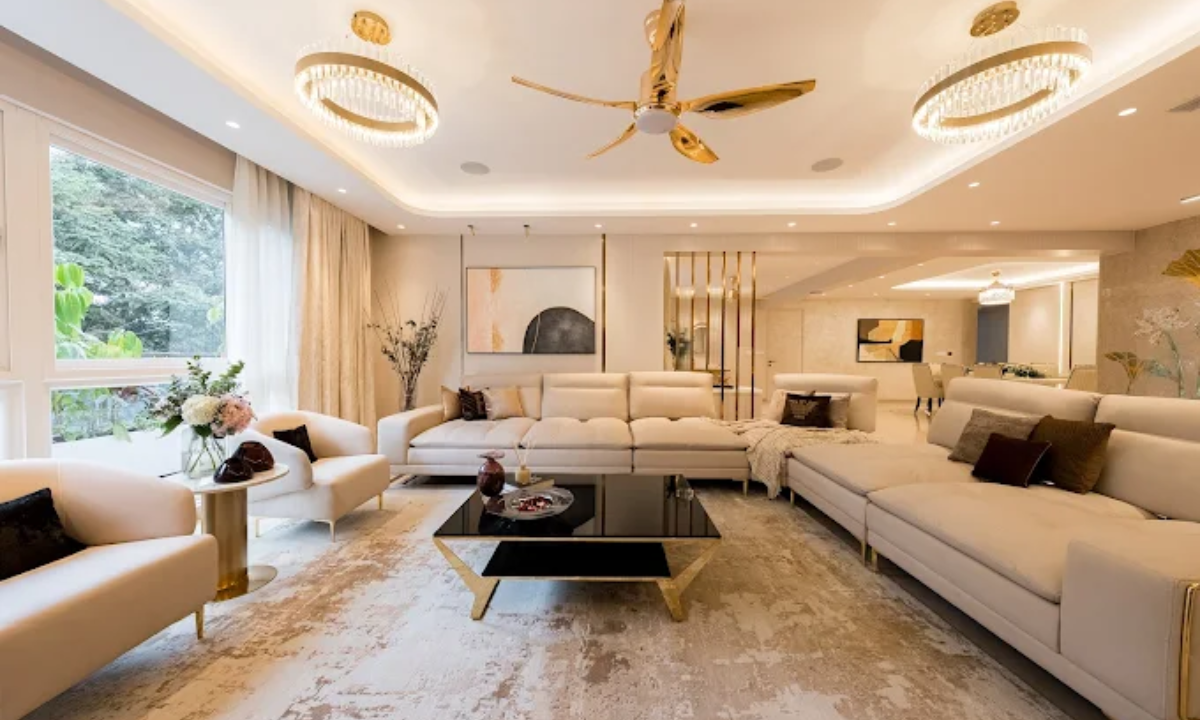
The size of your home is one of the most fundamental factors affecting cost. However, it’s not just about square footage; it’s about how that space is designed and utilised.
Larger homes require:
- More materials for flooring, walls, and ceilings
- Additional furniture and decor elements
- Increased labour and execution time
But here’s where it gets interesting: efficient design can reduce unnecessary spending. A well-planned layout ensures that every inch of space is used effectively, avoiding wasted areas and redundant elements.
Insight: Smart space planning can improve functionality by up to 30%, reducing the need for excessive additions later.
2. Materials and Finishes: Where Style Meets Budget
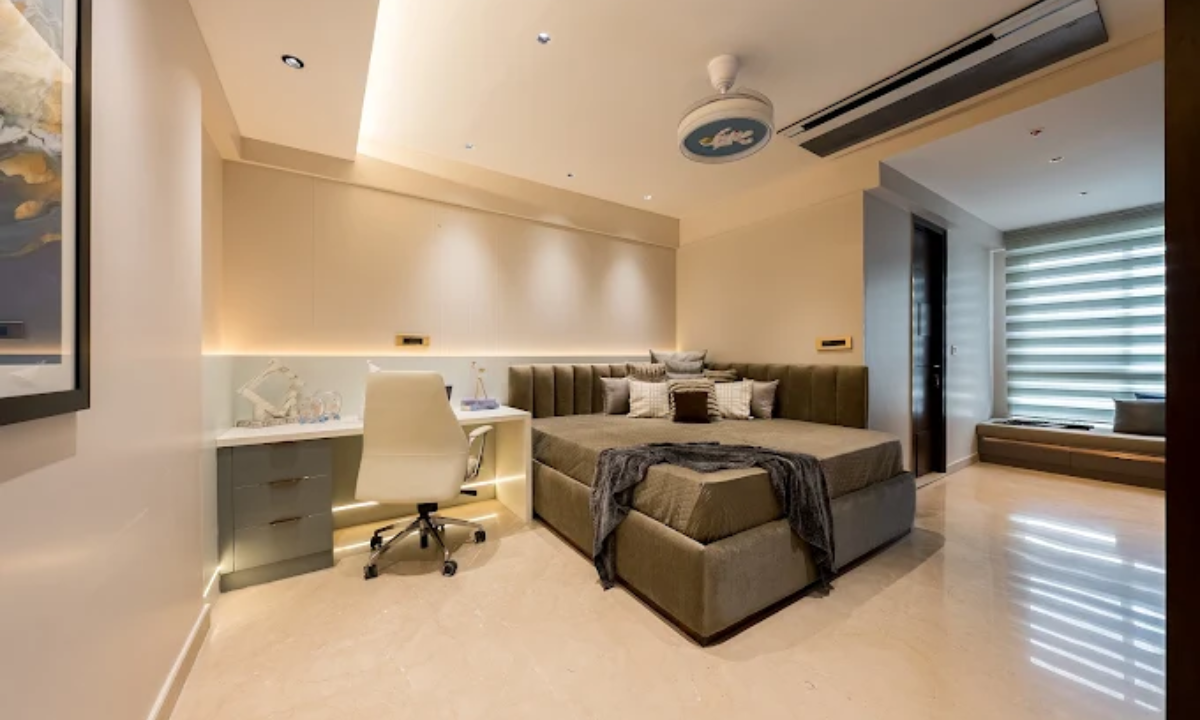
Your choice of materials and finishes is one of the most defining aspects of your interiors, and also one of the biggest cost influencers.
Think about it:
- Do you prefer a sleek matte laminate or a rich wooden veneer?
- Are you drawn to vitrified tiles or luxurious natural stone?
Each choice affects not just the look but also durability, maintenance, and long-term value.
Key considerations:
- Durability vs aesthetics
- Maintenance requirements
- Availability and sourcing
Pro Tip: A balanced approach, using premium finishes in high-visibility areas and practical materials in less prominent zones, can help you achieve a luxurious look without overspending.
3. Scope of Work: Partial vs Complete Transformation
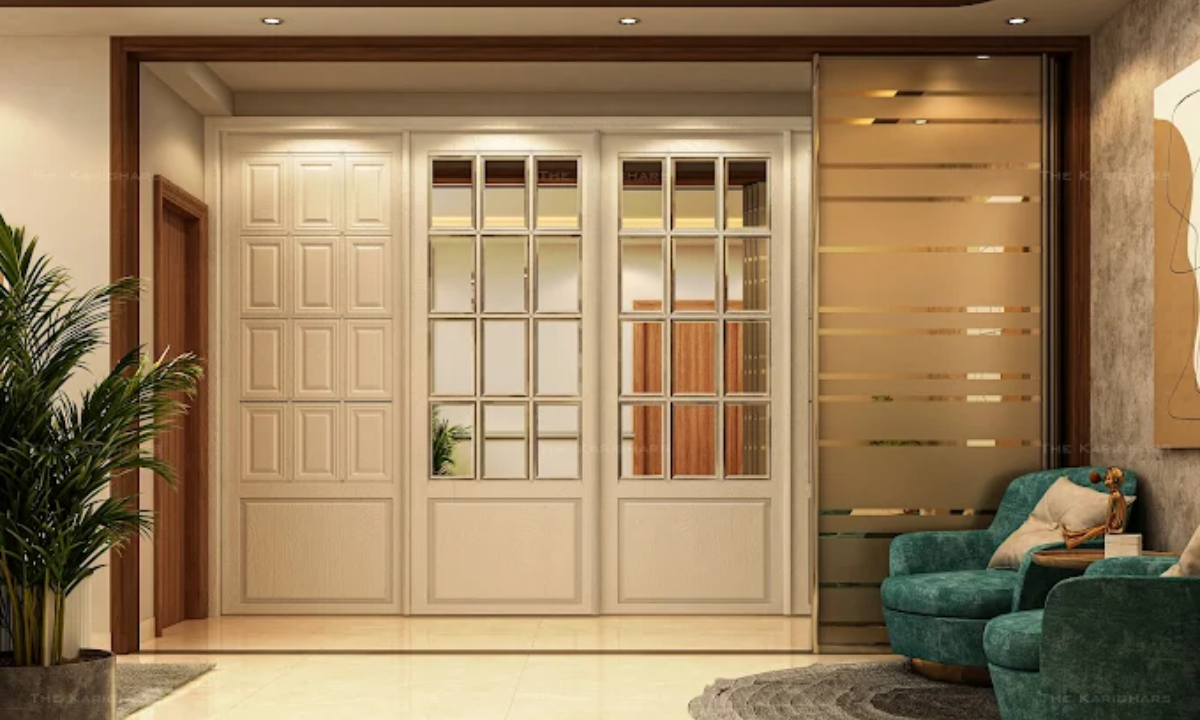
Not all interior projects are created equal. The scope of work plays a huge role in determining the overall effort, coordination, and cost.
Common project scopes:
- Design consultation only
- Room-specific upgrades
- Full-home turnkey solutions
A complete home transformation involves multiple stages, from concept design and 3D visualization to execution and final styling. Naturally, this requires more resources and expertise.
Working with the best interior designers in Bangalore ensures that every detail is managed seamlessly, reducing stress and delivering consistent quality across the project.
4. Customized Design: Tailored to You
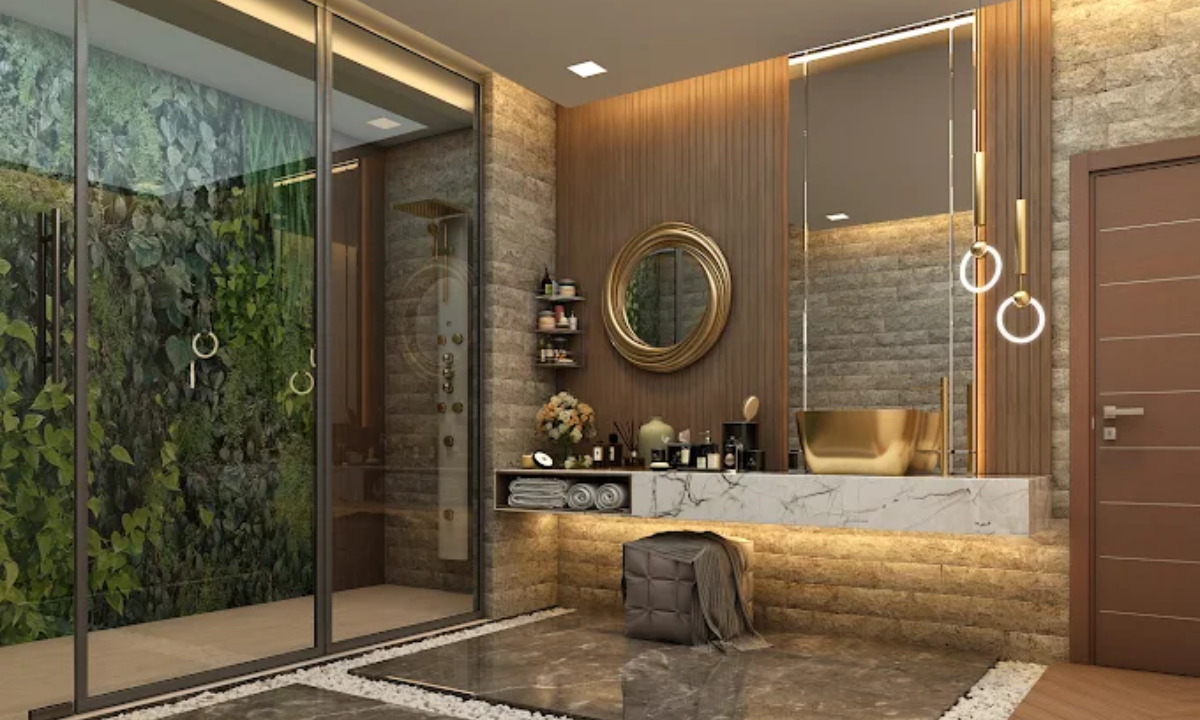
A customized design goes beyond aesthetics; it reflects your personality, lifestyle, and daily habits. However, personalization requires deeper planning, skilled craftsmanship, and unique solutions.
What makes a customized design special?
- Furniture designed specifically for your space
- Unique layouts tailored to your needs
- Personalized color palettes and textures
While modular solutions are quicker and more standardized, customized interiors provide unmatched exclusivity and functionality.
Think of it this way: A customised home doesn’t just look good; it works perfectly for you.
5. Interior Design Elements: The Details That Add Up
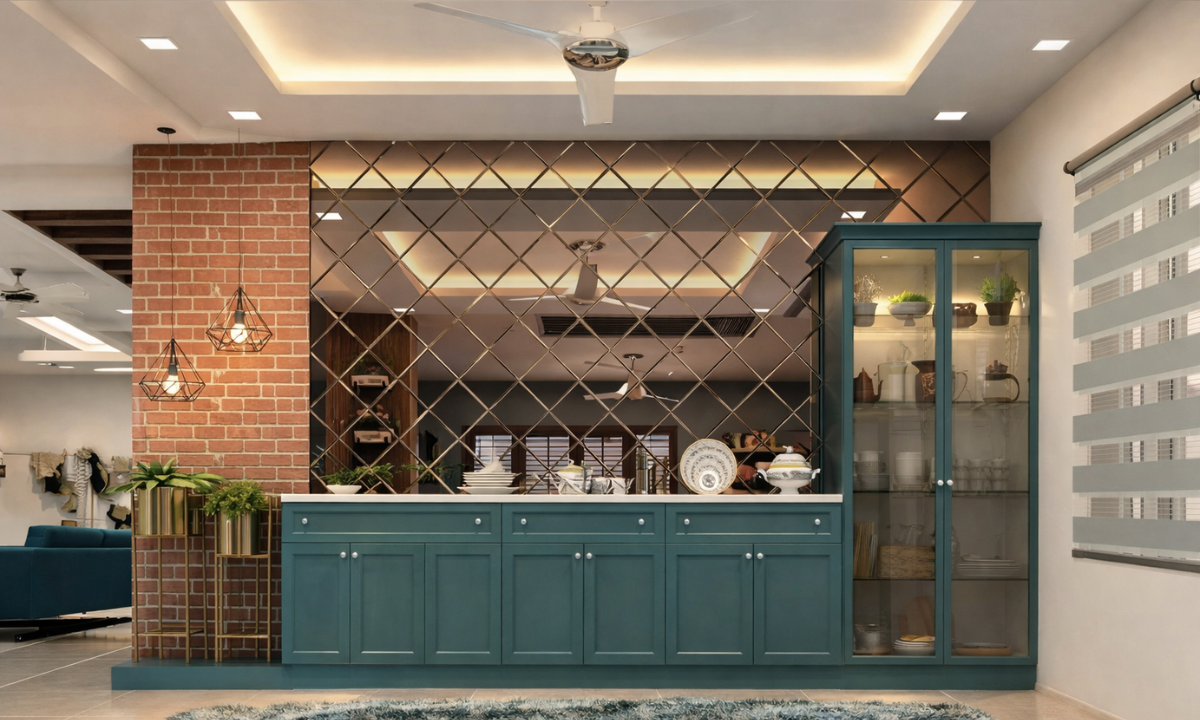
The number and type of interior design elements you include can significantly influence the overall project complexity.
Common elements include:
- Modular kitchens
- Wardrobes and storage units
- False ceilings and lighting
- Accent walls and wall panelling
- Furniture and decor
Each element requires design, material selection, and execution. The more layers you add, the more detailed the process becomes.
Example: A simple living room setup versus one with layered lighting, textured walls, and bespoke furniture will have vastly different requirements.
6. Interior Project Timeline: Time Influences Cost
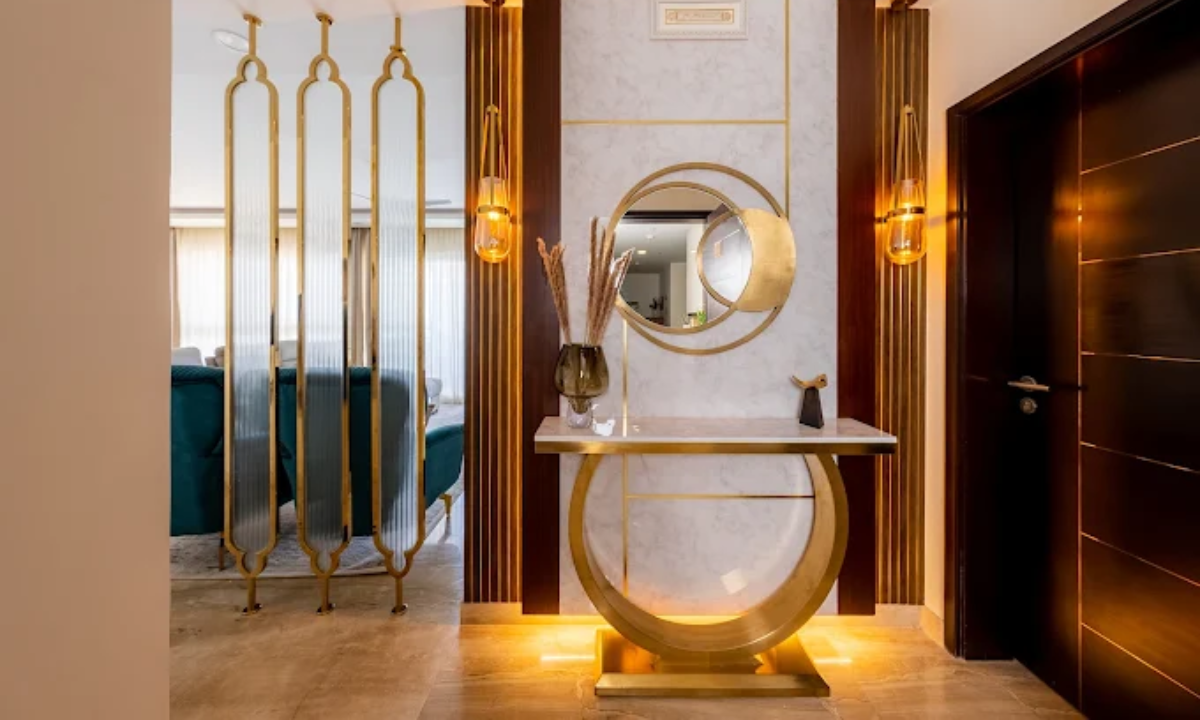
Your interior project timeline plays a critical role in planning and execution. A well-structured timeline ensures smooth coordination between designers, vendors, and contractors.
However, tight deadlines can lead to:
- Higher labour costs
- Limited material choices
- Increased pressure on execution quality
On the other hand, a flexible timeline allows for:
- Better sourcing of materials
- More thoughtful design decisions
- Higher quality workmanship
Tip: Planning your interiors can help you avoid rushed decisions and unnecessary compromises.
7. Expertise of Designers: Experience Adds Value
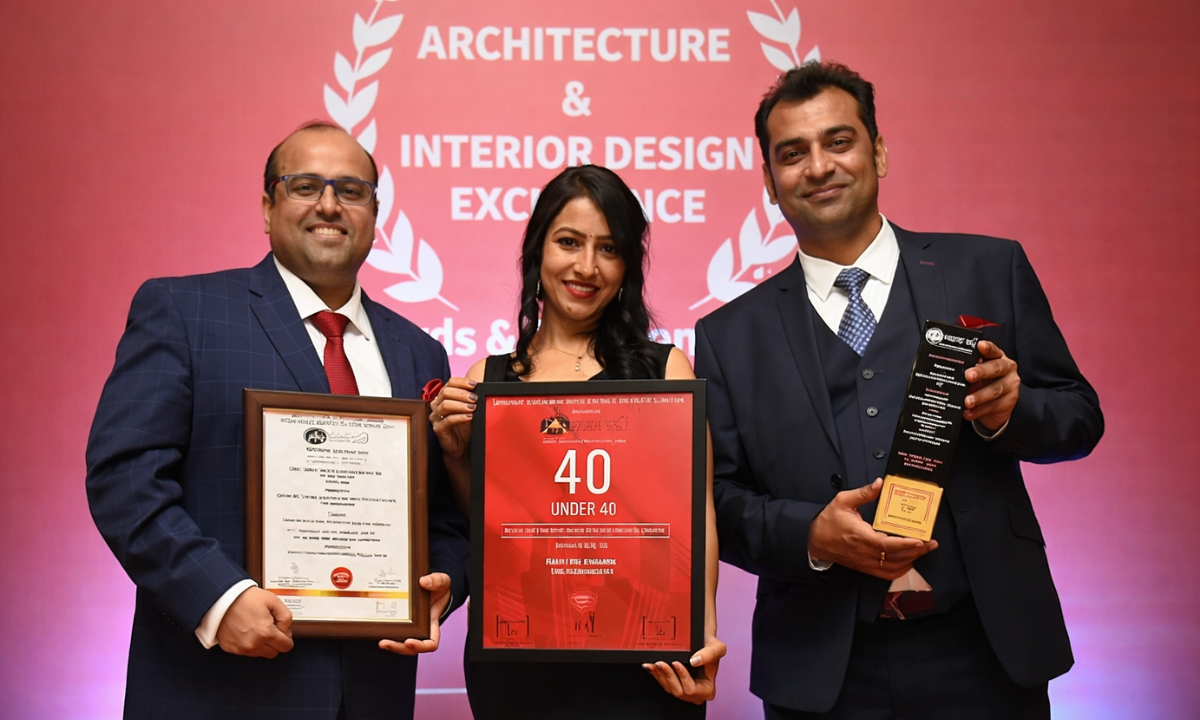
The experience and reputation of your designer significantly impact the outcome of your project.
Why it matters:
- Experienced designers bring innovative ideas
- They have access to trusted vendors and craftsmen
- They anticipate challenges and solve them proactively
Collaborating with interior designers in Bangalore who have a proven track record ensures smoother execution and better results with a focus on high-end detailing, precision, and exclusivity, making them ideal for premium projects.
8. Location and Accessibility
Even within Bangalore, your home’s location can influence logistics and execution.
Factors include:
- Ease of material transportation
- Accessibility for labour and vendors
- Building regulations and restrictions
Projects in high-density or premium areas may require additional coordination, which can impact timelines and effort.
9. Technology Integration: The Modern Upgrade
Today’s homes are becoming smarter and more efficient. Integrating technology into your interiors adds convenience, but also complexity.
Popular smart features:
- Automated lighting systems
- Smart security solutions
- Voice-controlled devices
These features require careful planning, wiring, and integration with your design layout.
Insight: While technology increases upfront effort, it enhances long-term comfort and functionality.
10. Planning and Decision-Making: The Hidden Factor
One of the most overlooked factors is decision-making. Frequent changes during execution can lead to delays, material wastage, and rework.
Common challenges:
- Changing design preferences mid-project
- Delayed approvals
- Lack of clarity in requirements
Pro Tip: Finalizing your design before execution begins can save time, effort, and unnecessary stress.
Smart Ways to Optimize Your Interior Design Journey
Want a stunning home without unnecessary complications? Here’s how:
- Prioritize your must-have features
- Plan your layout in detail before execution
- Choose materials wisely based on usage
- Work with experienced professionals
- Avoid last-minute changes
A strategic approach not only improves efficiency but also enhances the overall experience.
Final Thoughts
Creating your dream home is a journey that goes beyond numbers; it’s about thoughtful decisions, smart planning, and choosing the right expertise. When you understand the factors influencing your design, you gain better control over your vision and outcome.
Collaborating with luxury Interior designers in Bangalore ensures a refined, seamless experience where every detail is carefully curated. With a trusted name like The KariGhars, you can transform your space into a perfect blend of elegance, comfort, and functionality.
Frequently Asked Questions
1. What impacts the interior design cost the most?
The biggest factors influencing the interior design cost are the choice of materials and finishes, the overall scope of work, and the level of customization involved. Additionally, the expertise and reputation of the designer play a crucial role, as experienced professionals bring better planning, quality execution, and efficient resource management, which ultimately shape the overall investment.
2. Is a customized interior design always better?
Customised design is not always necessary, but it offers significant advantages when you want a home tailored to your lifestyle and preferences. It allows for better space utilisation, unique aesthetics, and personalised functionality. However, modular solutions can be more practical for standard layouts, offering quicker execution and convenience, especially when timelines and flexibility are key considerations.
3. How important is the interior design project timeline?
The interior project timeline is extremely important, as it directly affects planning, coordination, and execution quality. A well-structured timeline allows designers to source the right materials, manage labor efficiently, and maintain design accuracy. On the other hand, rushed timelines can lead to limited choices, higher pressure, and potential compromises in the outcome.
4. Should I hire professional interior designers?
Hiring professional interior designers ensures a structured and well-managed approach to your project. They bring expertise in design planning, material selection, and execution, helping you avoid costly mistakes. With access to trusted vendors and skilled craftsmen, professionals enhance efficiency, maintain quality standards, and deliver a cohesive design that aligns with your vision.