

Two homes can look equally luxurious in photographs but feel very different to live in. One may have smooth drawers, aligned shutters and clean finishes that last for years. The other may develop uneven joints, loose fittings and visible gaps. These differences often come down to material quality, workmanship, manufacturing methods and installation.
For homeowners planning a premium apartment, villa or penthouse, understanding factory-made vs custom-made interiors can help them make better decisions. Factory-made furniture offers consistent production, while custom-made interiors provide greater flexibility for unique spaces and design details. However, neither approach guarantees better quality on its own.
This guide explains the differences, the factors that affect durability and finishing, and how combining both approaches can help create a well-designed luxury home.
What Are Factory-Made Interiors?
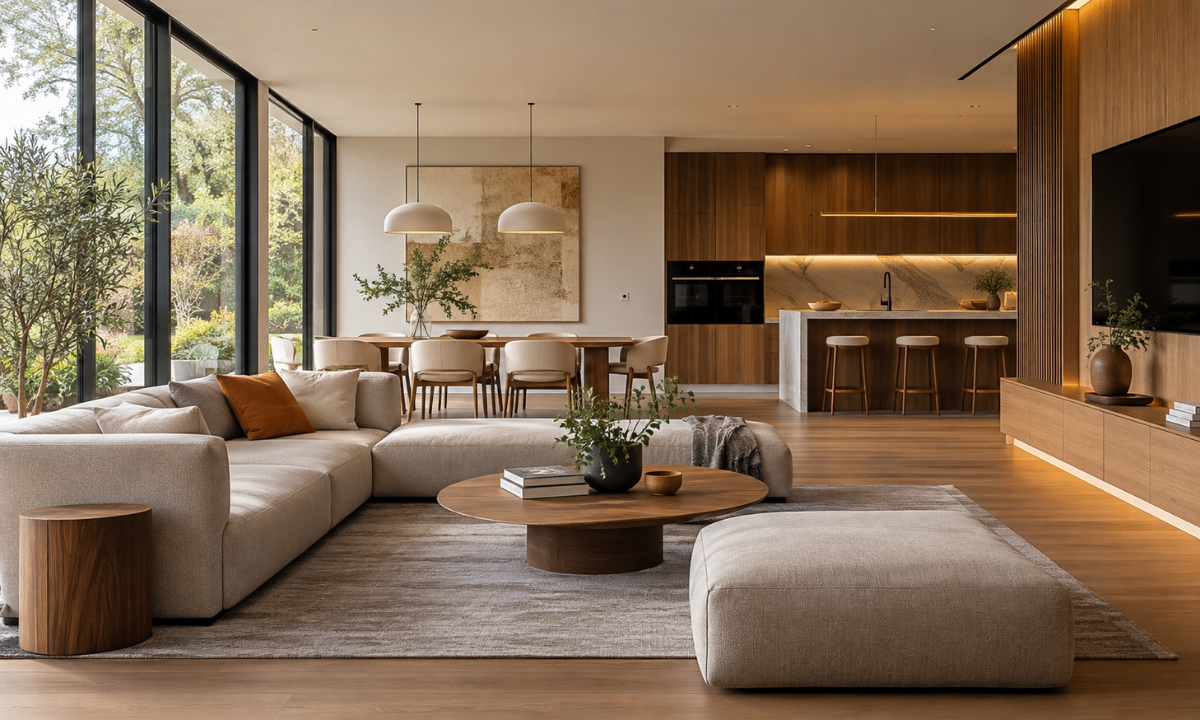
Factory-made interiors are furniture units and components produced in a manufacturing facility before being transported to the home for installation. This approach is commonly used for modular kitchens, wardrobes, cabinets and other furniture that requires accurate measurements and repeatable components.
How Does Factory Manufacturing Work?
The process usually begins with finalised designs, measurements and material specifications. Boards are cut, edged and drilled using specialised machinery. Components may then be finished, inspected, packed and delivered to the site for assembly.
Because much of the work takes place in a controlled environment, factory production can reduce on-site cutting and finishing. It can also make it easier to maintain consistent dimensions across multiple units.
What Are the Benefits of Factory-Made Interiors?
Factory-made furniture offers several practical benefits:
- Consistent dimensions: Machine cutting and drilling can improve accuracy across similar components.
- Controlled finishing: Factory conditions can help produce more uniform surface finishes.
- Repeatable quality checks: Manufacturers can follow standard inspection procedures at different production stages.
- Efficient installation: Pre-manufactured components can reduce the amount of fabrication required at the site.
These benefits depend on the equipment, materials, manufacturing standards and inspection process. Factory production alone does not guarantee a high-quality result.
Where Do Factory-Made Interiors Work Best?
Factory production is well suited to spaces that need precise, repeatable furniture components. Examples include modular kitchen designs, wardrobes, storage cabinets and utility units.
These areas often require accurate hardware fitting, consistent finishes and efficient use of available space. Factory production can help achieve these requirements when the design and specifications are planned carefully.
What Are Custom-Made Interiors?
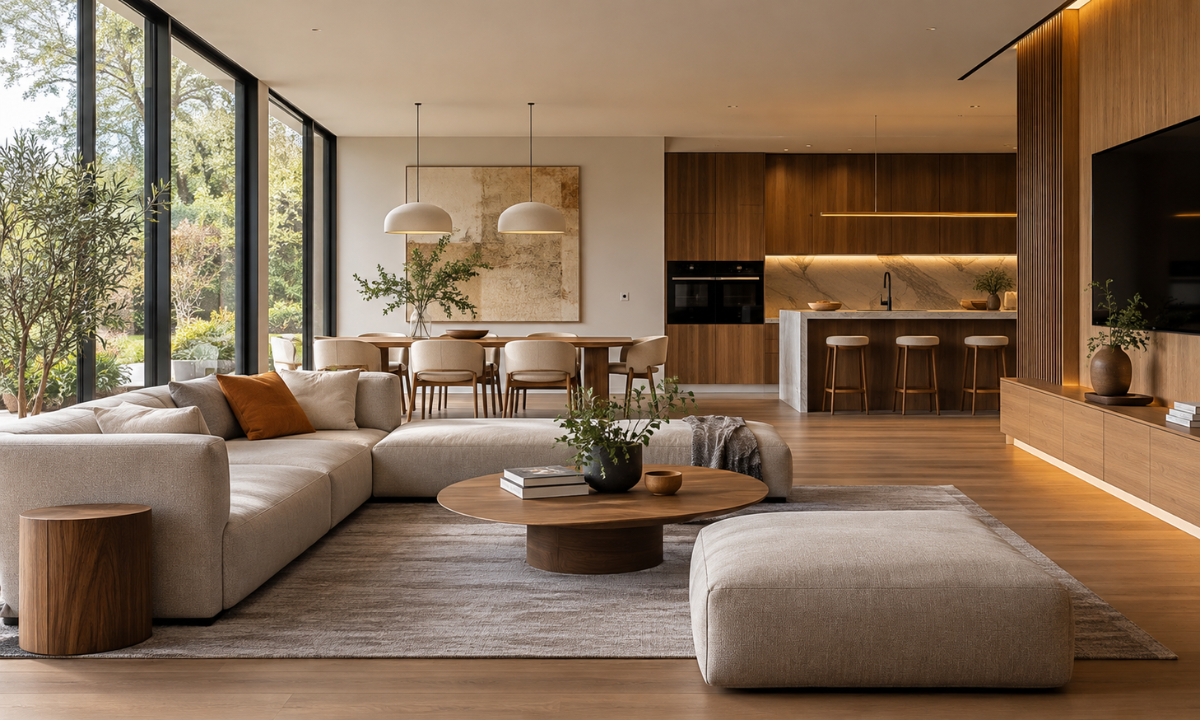
Custom-made interiors are designed around a home’s dimensions, the homeowner’s preferences and the way each space will be used. Instead of relying entirely on standard modules, the design can accommodate specific storage needs, unusual layouts and individual style choices.
Custom-made does not necessarily mean that every component is built at the site. Bespoke furniture can also be manufactured in a workshop or factory using measurements and specifications prepared for a particular home.
How Does Custom Interior Design and Execution Work?
The process begins with understanding the homeowner’s requirements, the available space and the intended design style. The designer then develops layouts, selects materials and plans the furniture and finishes.
Each component can be adjusted to suit the home. This may include a wardrobe designed around an unusual wall dimension, a built-in unit for a specific collection or a feature wall that integrates lighting and storage.
For more examples of personalised design, explore The KariGhars’ guide to custom interior design for Bangalore luxury homes.
Why Does Craftsmanship Matter in Custom Interiors?
Custom interiors often include details that require careful planning and skilled execution. These may include curved furniture, veneer patterns, decorative panelling, intricate joinery and specially designed storage.
The final result depends on accurate measurements, suitable materials and the skill of the people making and installing each component. A detailed design can still disappoint if the execution does not meet the required standard.
When Should You Choose Custom-Made Interiors?
Custom-made interiors are worth considering when standard modules cannot meet your requirements. They work particularly well for:
- Statement furniture designed for a specific room.
- Feature walls and decorative panelling.
- Curved surfaces and unusual architectural details.
- Storage for specific collections, equipment or personal belongings.
- Furniture that must fit irregular walls or uncommon dimensions.
For example, a custom wardrobe design can be planned around your clothing, accessories, available space and preferred internal compartments.
Factory-Made vs Custom-Made Interiors: Key Differences
Both approaches can deliver high-quality interiors. The main difference lies in the level of design flexibility, the production process and the requirements of each component.
| Factor | Factory-Made Interiors | Custom-Made Interiors |
| Production | Components are produced using a planned manufacturing process | Components are made to suit specific design requirements |
| Precision | Machinery can improve repeatability and dimensional accuracy | Accuracy depends on measurements, fabrication methods and workmanship |
| Design flexibility | Works well with standard or configurable modules | Accommodates unusual dimensions and individual design details |
| Finishing | Controlled conditions can support consistent finishes | Quality depends on materials, finishing methods and craftsmanship |
| Installation | Pre-manufactured components can reduce on-site fabrication | Bespoke elements may need additional coordination and adjustments |
| Quality control | May follow standardised inspection procedures | Requires clear specifications and checks during fabrication and installation |
| Typical applications | Modular kitchens, wardrobes and repeatable cabinets | Statement furniture, specialised storage and architectural details |
The comparison is not absolute. A custom-designed unit can be factory-produced, and a factory-made component can still require extensive on-site adjustments. The actual process depends on the design and the manufacturer’s capabilities.
Which Method Offers Better Finishing?
Factory finishing can provide greater consistency across repeated components because the work takes place in controlled conditions. Custom finishing can achieve equally refined results when the materials, application methods and craftsmanship are appropriate.
When comparing options, inspect the edges, joints, surface texture and alignment. Ask to see physical samples rather than relying only on digital renders.
Which Method Offers Greater Design Freedom?
Custom-made interiors generally provide more freedom for unusual dimensions, specialised storage and distinctive furniture. Factory-made systems can also offer extensive choices, but their flexibility depends on the available manufacturing methods and product range.
For luxury homes, the best choice is the one that meets the design requirements without compromising function or finish.
Which Method Is More Durable?
Durability depends on material quality, construction, hardware, installation and maintenance rather than whether a product is factory-made or custom-made.
For example, a well-constructed cabinet with suitable boards, properly sealed edges and reliable hardware can perform well for years. A poorly specified unit can fail early, regardless of where it was made.
What Determines the Quality of Luxury Home Interiors?
The manufacturing method is only one part of the decision. The following factors have a direct effect on the appearance, performance and upkeep of your interiors.
1. Material Quality and Board Specifications
Ask for the exact board type, grade and thickness proposed for each application. Different areas have different requirements. Kitchen cabinets, wardrobes and bathroom storage may need materials suited to their expected moisture exposure.
Visible surfaces may use laminates, veneers or other finishes depending on the design. Choose materials based on their intended use, maintenance needs and the manufacturer’s specifications. Moisture-resistant materials should not be treated as completely waterproof unless the product is specifically rated for that purpose.
2. Hardware, Hinges and Drawer Systems
Hinges, drawer channels, lift mechanisms and other fittings affect how furniture works every day. Poor-quality hardware can cause shutters to sag, drawers to move unevenly or mechanisms to fail with repeated use.
Ask for the brand and model of the proposed fittings. Confirm whether soft-close mechanisms are included and whether suitable replacements or service support are available.
3. Surface Finishes, Edges and Joint Alignment
Fine detailing helps distinguish well-executed interiors. Check for clean edge banding, consistent veneer patterns, even gaps and aligned shutters.
Inspect corners and joints closely, especially on cabinets and furniture that will be used frequently. Request samples of the proposed finishes so you can assess their colour, texture and appearance under different lighting conditions.
4. Installation Accuracy and Final Inspection
Even well-manufactured furniture can look poor if it is installed incorrectly. Uneven floors and walls, inaccurate measurements or weak installation practices can affect alignment and operation.
Before handover, check whether drawers open smoothly, shutters align correctly, hardware is secure and visible joints are finished properly. Confirm that any defects identified during inspection will be corrected.
5. Maintenance and Warranty Coverage
Every material and finish has different care requirements. Ask how to clean the surfaces, protect them from moisture and address minor damage.
Read the warranty terms before approving the project. Check the duration, coverage, exclusions and process for requesting repairs. Do not assume that every material, fitting or component is covered in the same way.
For more practical advice, read The KariGhars’ guide on how to choose long-lasting furniture.
Can You Combine Factory-Made Furniture with Bespoke Luxury Design?
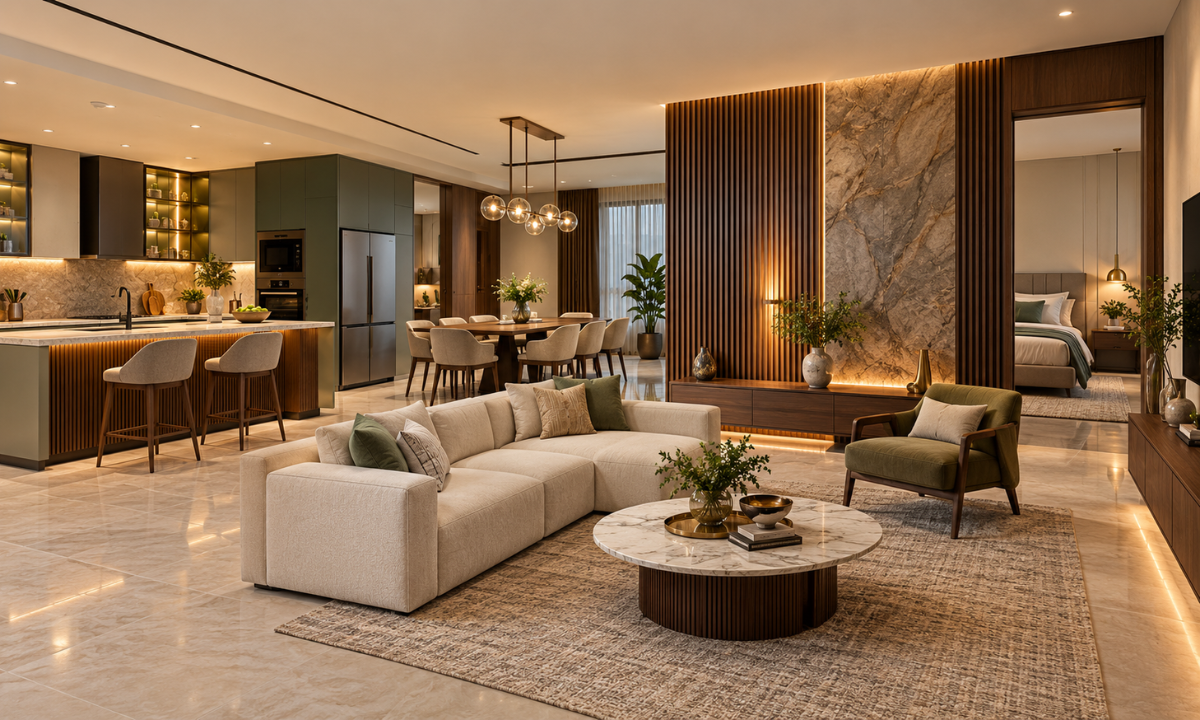
Yes. Combining factory-made components with custom-designed elements can offer a practical balance between consistency and individuality. The approach allows homeowners to use standardised production where it works well and invest in bespoke details where they add value.
Factory-Made Modular Kitchens and Wardrobes
Kitchens and wardrobes often benefit from accurate cutting, repeatable components and precise hardware installation. Factory production can help maintain consistency across cabinets and shutters.
Explore The KariGhars’ modular kitchen design services to understand how planned layouts, storage and finishes can work together.
Custom Feature Walls and Statement Furniture
Feature walls, dining tables, bed headboards and display units can add character to a home. These elements can be designed around the room’s proportions, material palette and intended use.
A bespoke piece can also help address a specific need, such as additional storage or furniture that fits an unusual layout.
Bespoke Lighting and Decorative Details
Integrated lighting, decorative metalwork, selected veneers and carefully planned wall details can make a home feel more personal. These features should be coordinated with the furniture, electrical points and surrounding finishes before execution begins.
Coordinating Materials and Colours Across Rooms
The key to a successful combination is consistency. Repeating selected wood tones, hardware finishes and colours helps connect factory-made cabinets with custom furniture.
For example, a villa may have a factory-produced kitchen and wardrobes alongside a custom-designed living room feature wall and bedroom headboard. Using compatible veneers and finishes can help the spaces feel connected without making every room look identical.
How to Choose the Right Interior Execution Method for Your Home
Before finalising your interiors, evaluate each area according to its function, design requirements and budget.
Start With Your Home’s Layout and Requirements
Identify which areas need practical storage and which would benefit from unique design features. Standardised components may work well for utility spaces, while unusual layouts may require bespoke solutions.
Compare Material Samples and Specifications
Request written specifications for boards, finishes, hardware and fittings. Compare equivalent materials and check what is included in each quotation.
Do not compare prices based only on the number of cabinets or the overall package amount. Differences in materials, hardware and finishing can affect both cost and quality.
Review Completed Projects
Inspect previous work wherever possible. Look closely at edges, joints, drawer operation, shutter alignment and the finish of visible surfaces.
Photographs can help you assess the overall design, but a completed project provides a better opportunity to examine workmanship.
Understand Timelines and Installation
Ask how design approval, production, delivery and installation will be coordinated. Confirm which activities can take place in parallel and which depend on earlier work being completed.
Bespoke components may require additional development or adjustments, while factory-made components still depend on production schedules and site readiness.
Compare Quotations and After-Sales Support
Ask for a detailed quotation that identifies the materials, fittings, finishes and work included. Clarify exclusions, additional charges, change requests and responsibility for installation.
You should also understand who will inspect the completed work and how issues will be handled after handover.
Why Design Planning Matters in Luxury Interiors
No manufacturing method can compensate for poor planning. Accurate measurements, functional layouts, suitable materials and coordination between furniture, lighting and other interior elements are essential to a successful result.
Experienced luxury interior designers in Bangalore can help homeowners assess these decisions as part of the overall design and execution process.
At The KariGhars, the focus is on creating personalised interiors that balance design, function and finishing. By coordinating planning, material selection and execution, the team works to ensure that individual elements contribute to a cohesive home.
Conclusion
Choosing between factory-made and custom-made interiors is not simply a question of which method is better. It is about selecting the right approach for each part of your home.
Factory production can offer consistency and precision, while bespoke design provides greater flexibility for individual requirements. Both can deliver excellent results when supported by suitable materials, skilled workmanship, accurate installation and proper quality checks.
For many luxury homes, combining the two approaches is a practical way to achieve both functionality and individuality. The most important step is to compare specifications, inspect workmanship and plan every element around your lifestyle.
Planning a luxury home in Bangalore? Explore The KariGhars’ interior design services to discuss your requirements and create a home tailored to your preferences.
Frequently Asked Questions
Are factory-made interiors better than traditional carpentry?
Not necessarily. Factory-made interiors can offer consistent dimensions and controlled finishing, while skilled carpenters can create furniture suited to specific requirements. The quality of materials, workmanship, installation and inspection matters more than the method alone.
Are custom-made interiors more expensive?
Custom-made interiors can cost more when they require specialised materials, detailed design work or complex fabrication. However, the cost depends on the project’s scope and specifications. Combining factory-made components with selected bespoke elements can help manage the budget.
Can factory-made furniture look luxurious?
Yes. Factory-made furniture can achieve a refined finish when it uses suitable materials, quality hardware and accurate construction. Good design and careful installation are also essential.
Which is better for modular kitchens and wardrobes?
Factory production is often suitable for modular kitchens and wardrobes because these units benefit from accurate cutting and repeatable components. Custom dimensions and design details can still be incorporated where the layout requires them.
How can I check the quality of interior materials?
Request written specifications for board types, grades, thicknesses, finishes and hardware. Examine physical samples, inspect completed projects and confirm the warranty terms before approving the work.
Can a luxury home combine modular furniture and bespoke designs?
Yes. A home can combine factory-made kitchens and wardrobes with custom furniture, feature walls and decorative details. Coordinating materials, colours and proportions helps maintain a consistent design across rooms.
Does factory-made furniture last longer than custom-made furniture?
Not automatically. The lifespan of either type depends on construction quality, material suitability, hardware, installation and maintenance. Compare the actual specifications and workmanship before making a decision.
What should I check before approving an interior design quotation?
Check the material specifications, hardware brands, finishes, scope of work, installation charges, exclusions, project timeline and warranty terms. Make sure the quotation clearly states what is included so you can compare providers fairly.