

Blog Summary in Bullet Points
- Layer the scheme in four parts. Ambient, task, accent, and decorative lighting work together.
- Begin with daylight. Plan the artificial scheme only after understanding how sunlight moves through each room.
- Living rooms need three zones. Conversation, reading, and display, each with its own light.
- Ambient lighting is the foundation. Warm 2700K to 3000K sets the mood for living and sleeping spaces.
- Accent lighting tells the story. Highlight art, textures, and sculptural objects with controlled contrast.
- Choose fixtures as design objects. Pendants, sconces, and floor lamps earn their place even when off.
- The dining table deserves one strong gesture. A low pendant or matched row at 75 to 90 centimetres.
- Kitchens lead with task lighting. Under-cabinet, downlights, and a statement pendant form the core.
- Bedrooms call for warm, low light. Wall sconces, pendants, and a master switch beside the bed.
- Light the in-between spaces. Entries, corridors, and stairwells deserve the same thought as main rooms.
- A full lighting plan rewards expert coordination. Circuit design, dimming, and ceiling integration should be planned together.
Light is the one element in a home that works around the clock. It shapes mood, scale, texture, and the way a room is remembered. Thoughtful interior lighting design is rarely about adding more fixtures. It is about choosing fewer, placing them with intent, and layering them so the house changes with the hour. This guide covers ten ideas that quietly transform a modern home, from the drawing room to the stairwell, and offers a working framework rather than a checklist of trends.
1. Build the Scheme in Four Layers
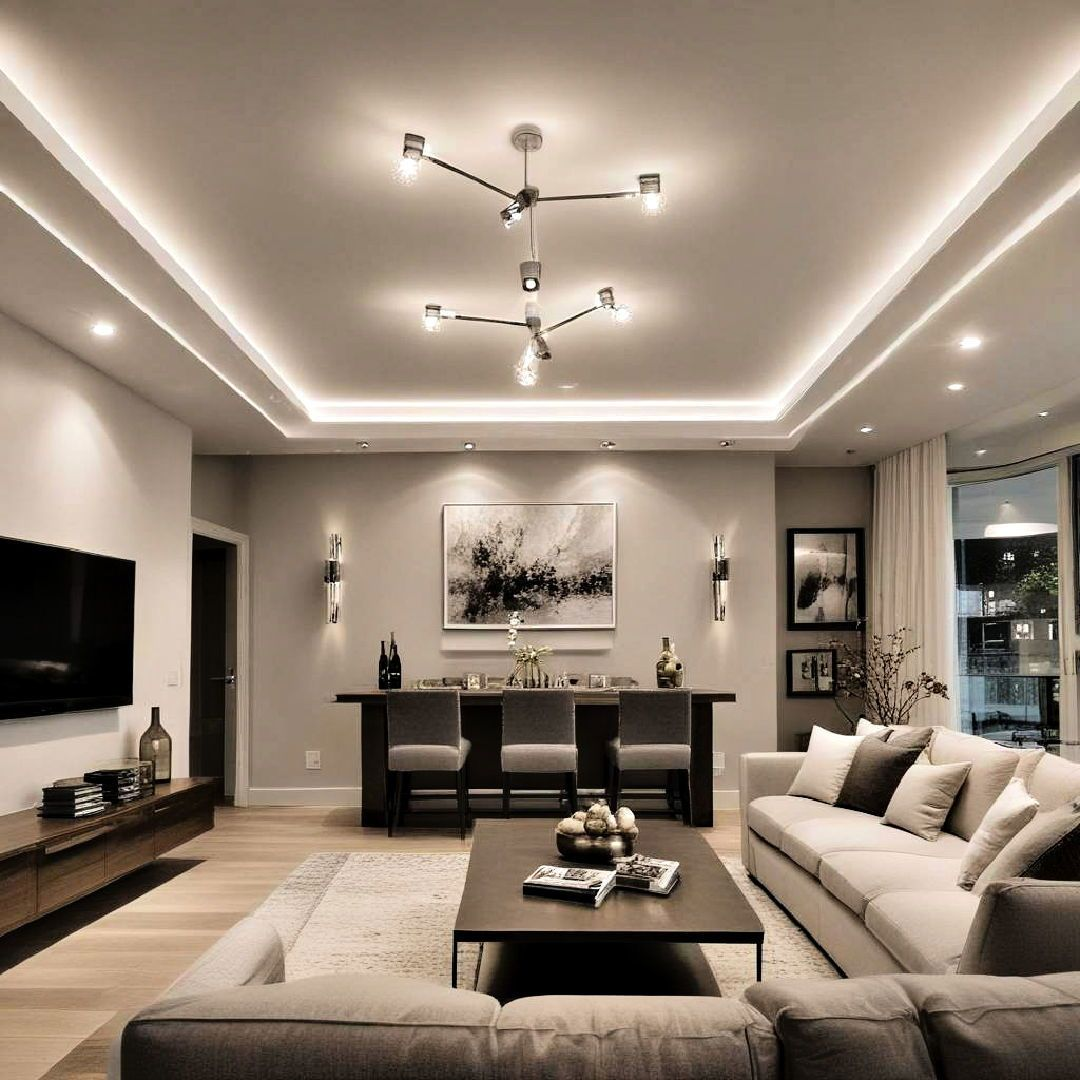
Every well-lit room works across four layers rather than one.
- Ambient lighting sets the base level and fills the room softly
- Task lighting supports specific activity such as reading, cooking, or dressing
- Accent lighting highlights artwork, textures, and architectural features
- Decorative lighting adds sculptural presence through pendants, sconces, and chandeliers
Houses that rely on a single ceiling light feel flat regardless of furniture quality. Layering the scheme is the single most important move you can make.
2. Begin with Natural Light, Not Fixtures
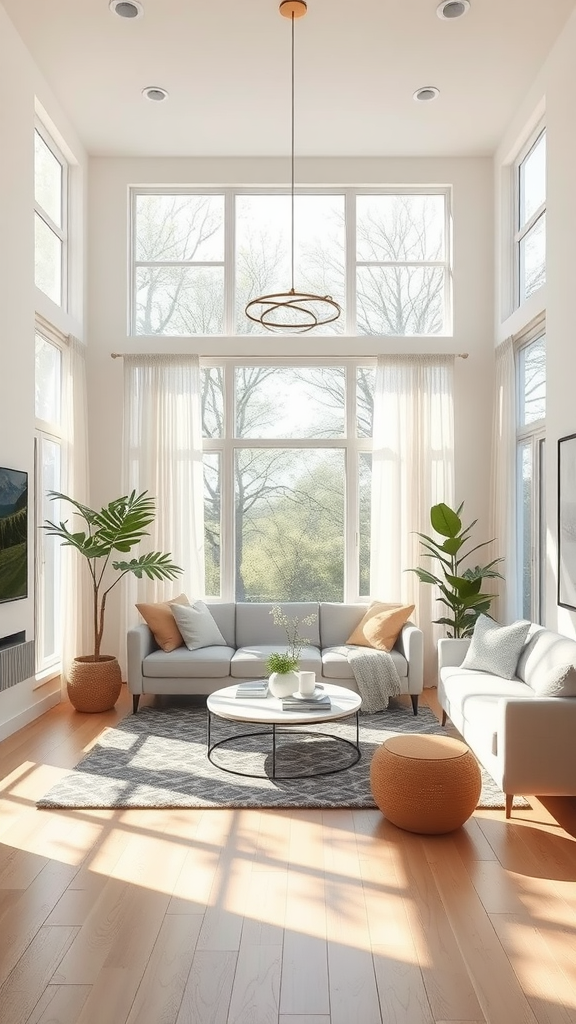
Great lighting plans begin with the sun. Walk through each room at three points in the day, morning, midday, and dusk, and note where the light falls and where the shadows gather.
Position seating, mirrors, and reflective surfaces to carry daylight deeper into the room. Dress windows with linen sheers that soften the light rather than block it. Only after the daylight story is understood does the artificial scheme get drawn.
Experienced best interior designers in Bangalore always design around daylight first. The result is a home that feels calm long before any switch is turned on.
3. Lighting Design in Living Room: Three Zones, One Mood
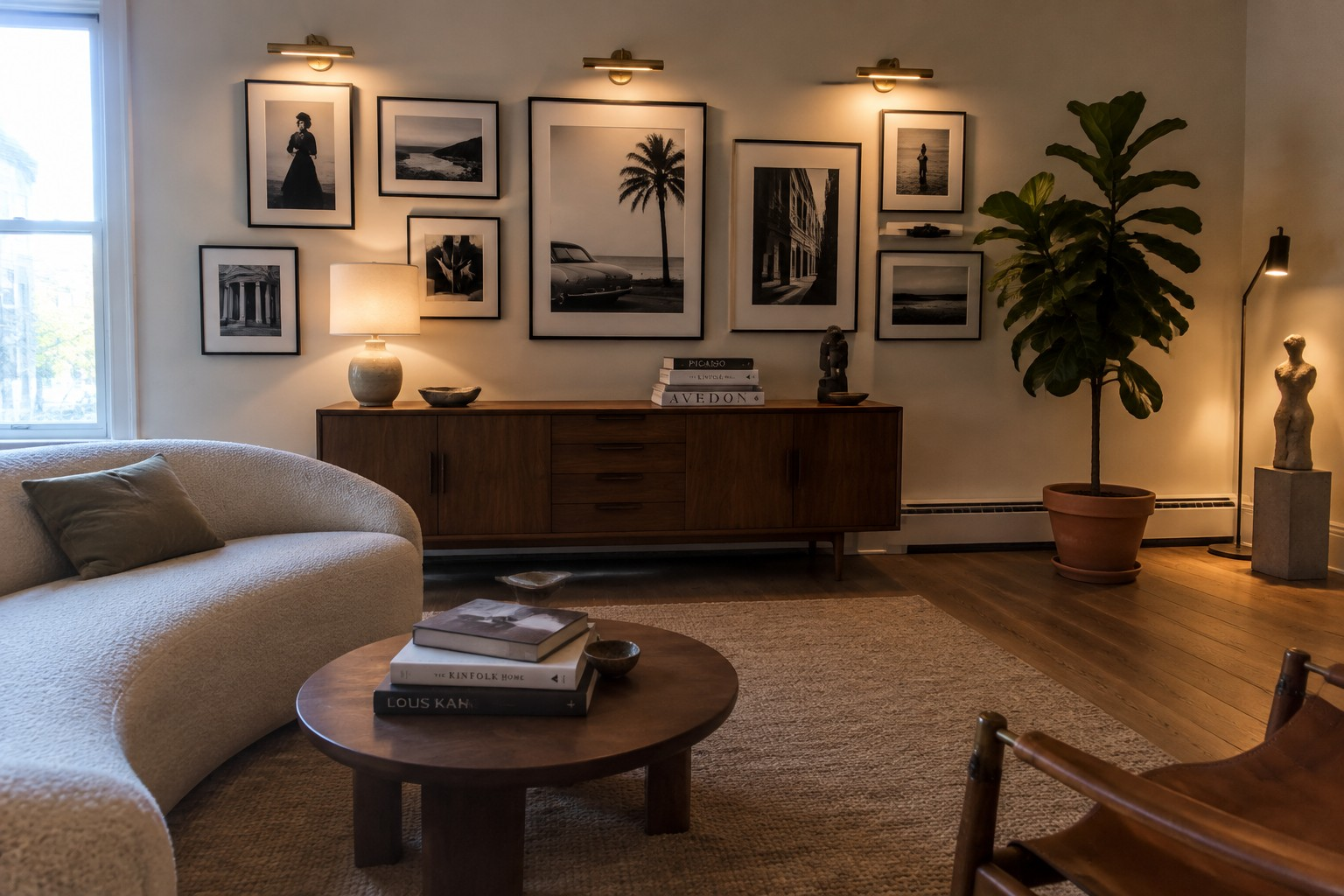
Thoughtful lighting design in living room spaces separates the room into three activity zones, each with its own light.
- Conversation zone around the sofa with soft overhead ambient light and a floor lamp beside the main seating
- Reading zone in a quiet corner with a focused table or arc lamp
- Display zone along a feature wall with accent lighting on artwork or sculptural objects
Pair every switch with a dimmer so the room shifts from a bright afternoon gathering to a quiet evening with ease. One lighting setting cannot carry a room that works for both.
4. Use Ambient Lighting as the Foundation
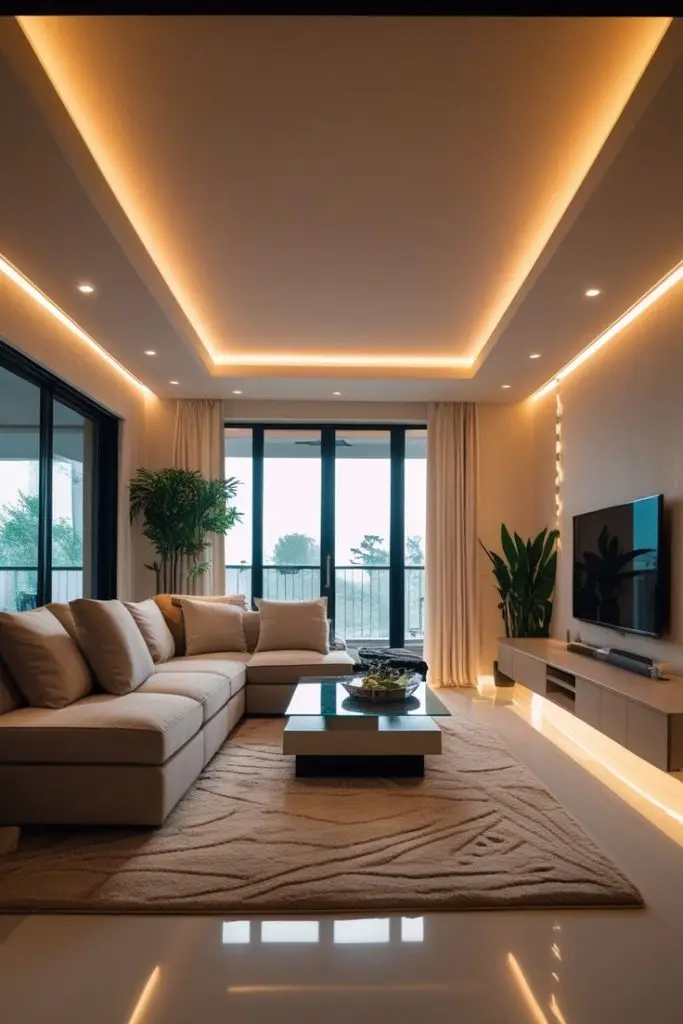
Ambient lighting is the quietest layer and the most important. It fills the room evenly, hides shadows in the corners, and sets the mood.
Approaches worth considering:
- Recessed downlights spaced generously to avoid a grid-like look
- Cove lighting hidden inside false ceiling details for a soft glow
- Wall-washing fixtures that lift the vertical surfaces
- Linear LED profiles tucked behind curtain pelmets
Choose a warm colour temperature between 2700K and 3000K for living and bedroom spaces. Reserve 3500K to 4000K for utility areas such as kitchens, bathrooms, and dressing rooms, where clarity matters more than mood.
5. Treat Accent Lighting as the Storyteller
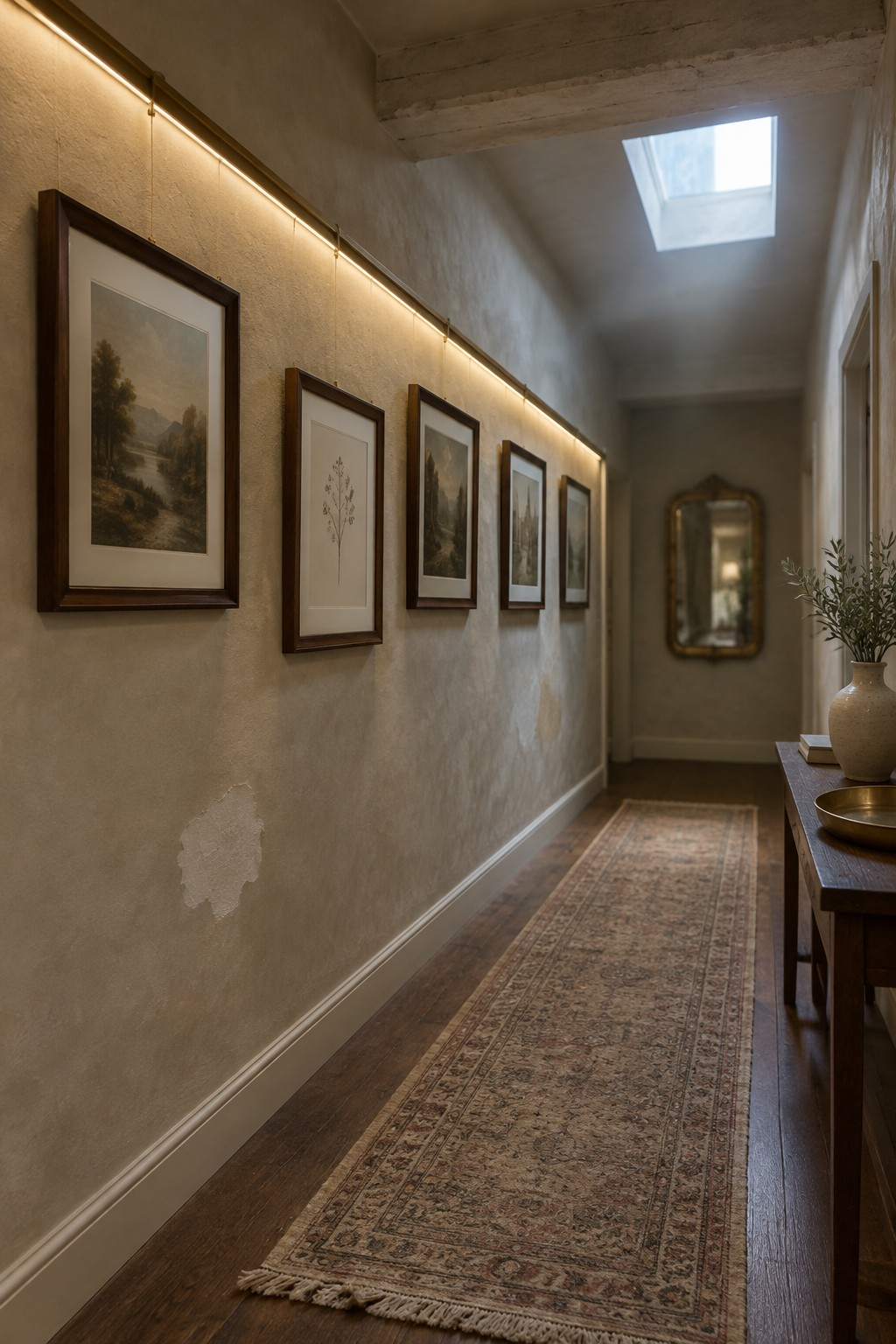
Accent lighting is what gives a room its character. It picks out the pieces you want remembered.
Use it to light:
- Artwork, with picture lights or carefully aimed track spots
- A single sculptural object on a plinth
- A textured feature wall in stone, wood, or hand-plaster
- The underside of floating shelves and the inside of niches
- A specimen plant with an uplighter at its base
Aim for a three-to-one contrast between accent and ambient levels. The piece being highlighted should feel chosen, not flooded.
6. Choose Lighting Fixtures as Objects, Not Add-Ons
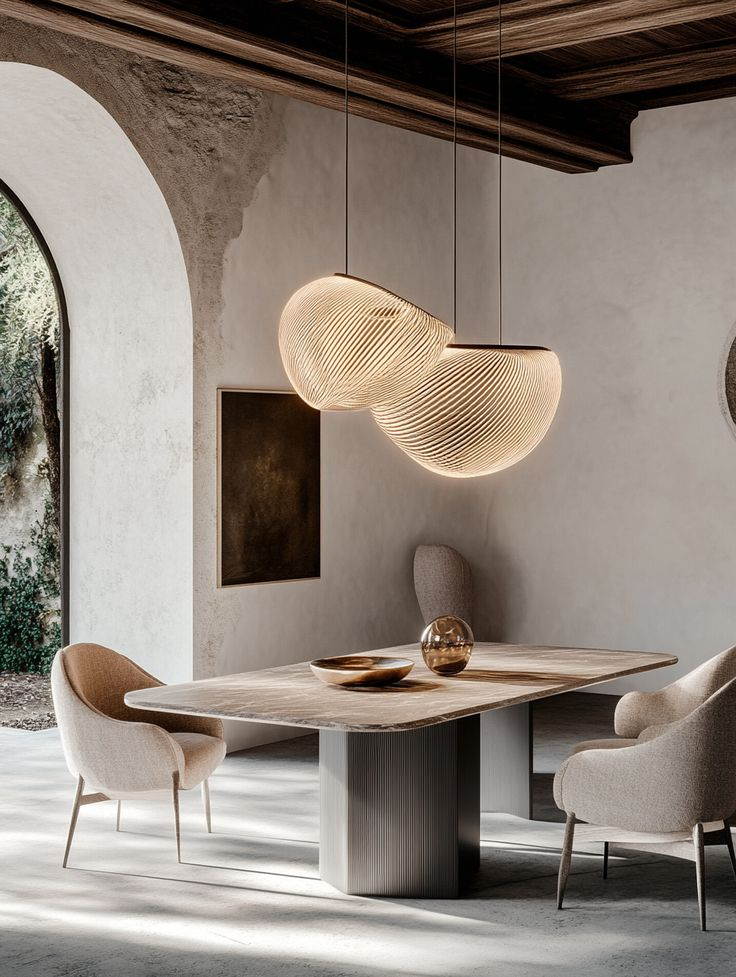
The best lighting fixtures earn their place in a room even when switched off. Treat each one as a piece of design, not a utility.
Signatures worth considering:
- A sculptural pendant above the dining table in blown glass, hammered metal, or ceramic
- Linear fixtures over kitchen islands with warm diffused glow
- Oversized paper or rattan lanterns for a quiet, textural feel
- Articulated wall sconces in brushed brass beside a reading chair
- A floor lamp with a marble base in a corner that would otherwise sit dark
Avoid the common mistake of picking a fixture only after the room is complete. Lead fixtures should be chosen alongside the sofa and the artwork.
7. Light the Dining Table as a Single Gesture
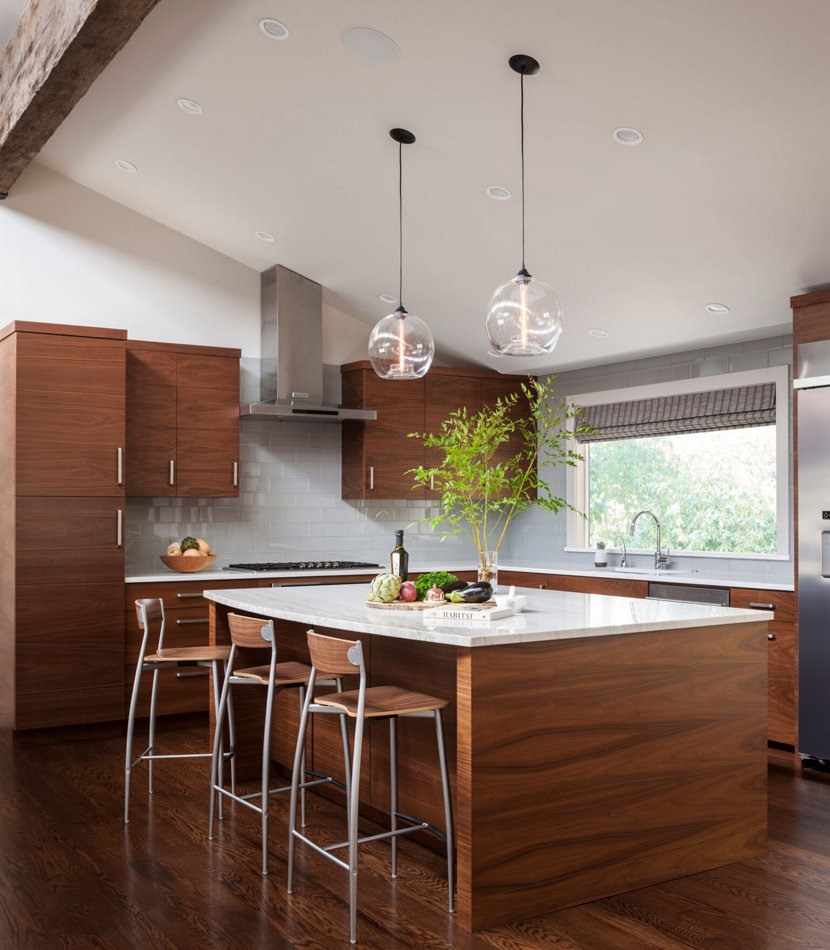
The dining table deserves one strong lighting moment. Hang the pendant or linear fixture low enough to feel intimate, usually 75 to 90 centimetres above the table.
For long tables, use a linear fixture or three matched pendants in a row rather than a single central light. For round tables, a single sculptural pendant works beautifully. Add dimming so the fixture can glow quietly during conversation and brighten for a working lunch.
Light the table, not the room. The rest of the ambient scheme supports this one gesture.
8. Design Kitchens for Task First
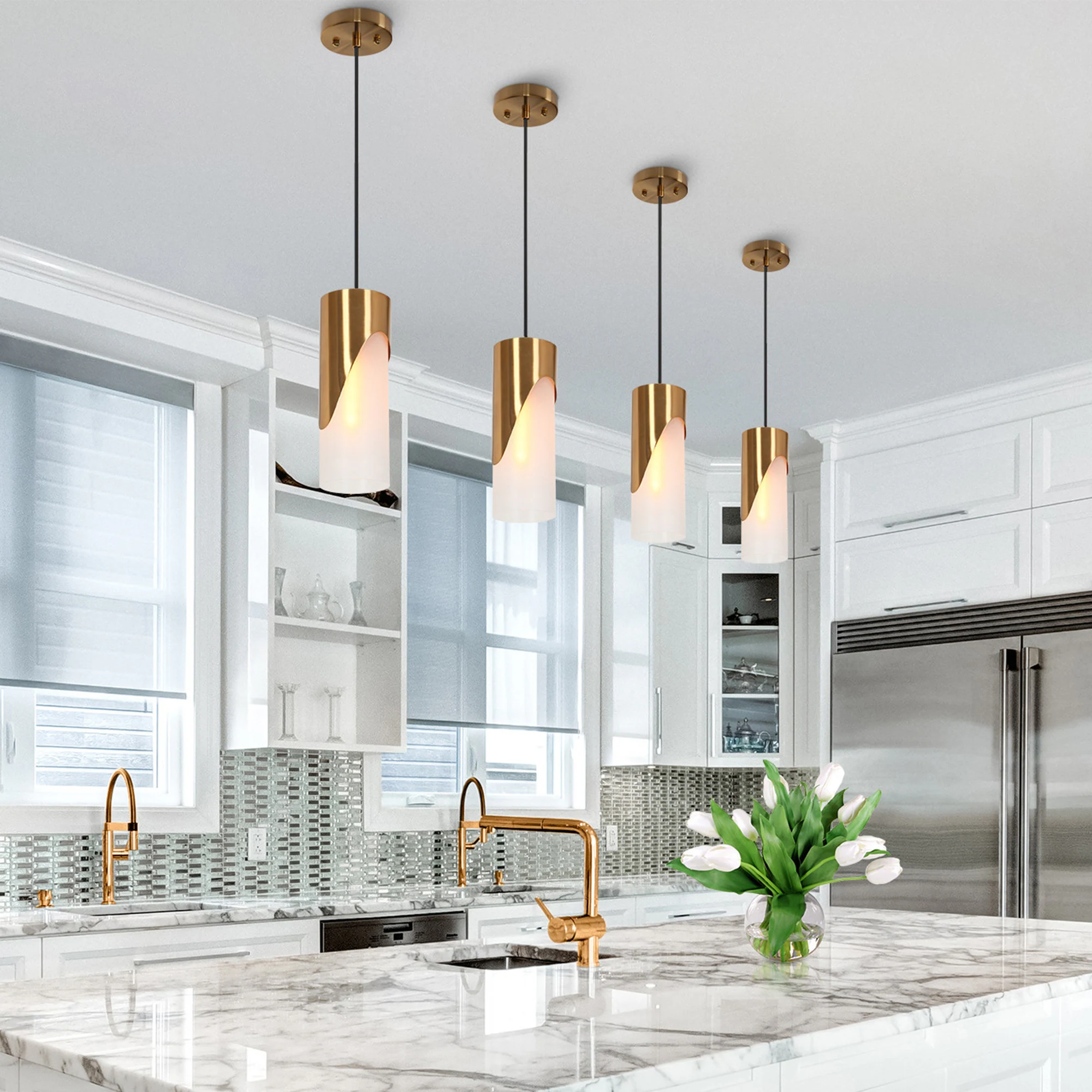
Kitchens are the only room where task lighting leads and ambient follows.
Three layers do the heavy lifting:
- Under-cabinet strips that light the counter directly for prep work
- Downlights or linear fixtures aligned to the island or main counter
- A statement pendant that signals the room’s character
Avoid shadowing by placing downlights slightly forward of the counter edge rather than directly overhead. The cook should never work in their own shadow.
Add toe-kick lighting under lower cabinets for a soft late-night glow that doubles as a safety light.
9. Shape Bedrooms with Low, Warm Light
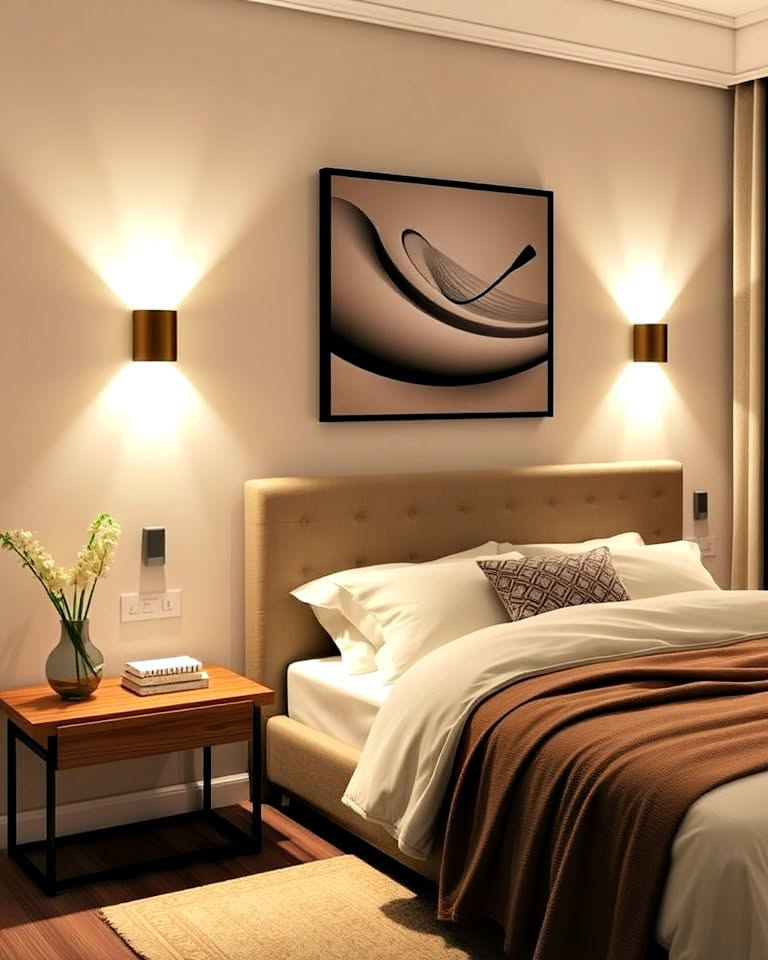
Bedrooms call for the warmest light in the home. The scheme should wind down with the day.
Consider:
- Wall-mounted reading sconces with adjustable arms, freeing the bedside table
- Pendants in place of table lamps for a cleaner side table
- A single pendant or chandelier at the centre for ceremony rather than daily use
- Cove or recessed lighting dimmed to candle levels for evening reading
- A separate circuit for a soft walk-through light for late nights
Keep the master switch beside the bed. Nothing breaks a mood faster than crossing the room in the dark to turn the light off.
10. Do Not Forget the In-Between Spaces
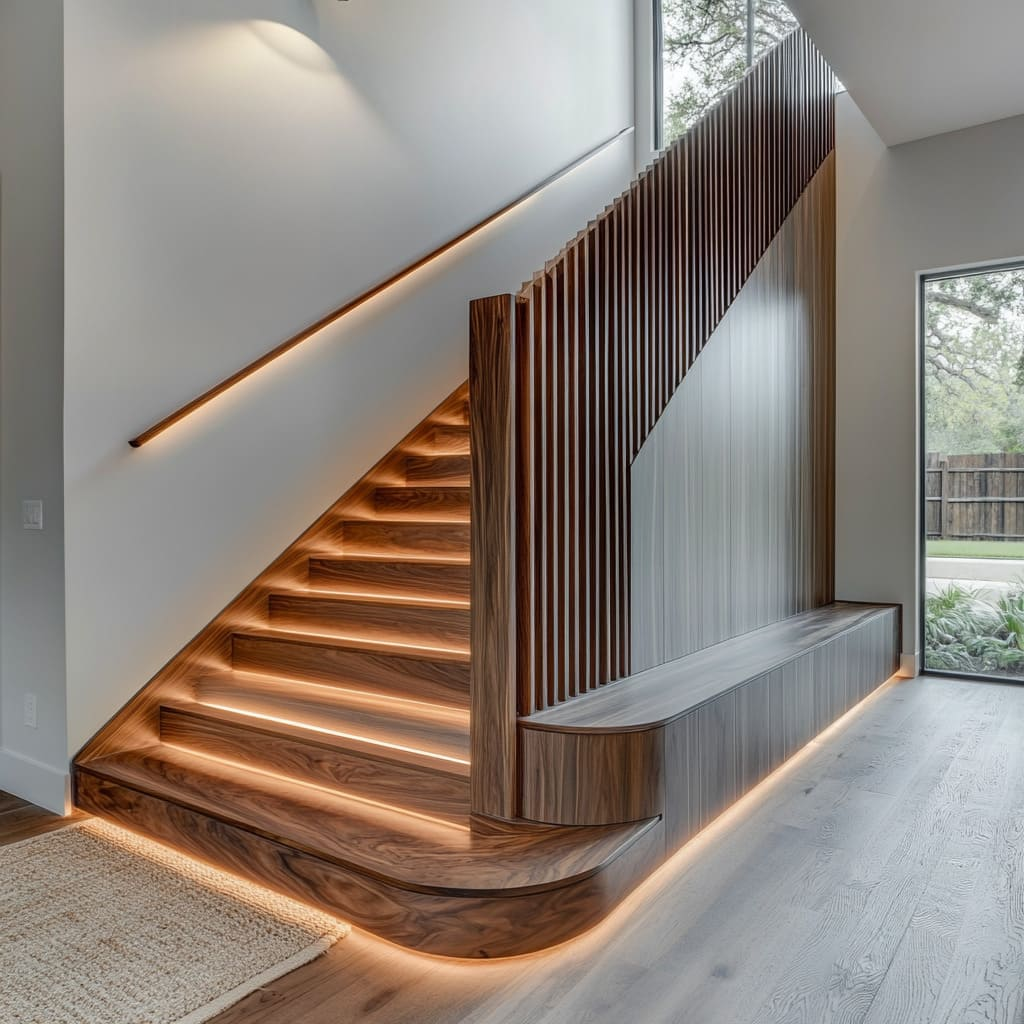
Corridors, stairwells, and entries are often lit by default rather than design. These are the spaces guests move through and remember.
Elevate them with:
- A single sculptural pendant above the entry
- Linear strips tucked under the handrail of a floating staircase
- Wall washers that light a long corridor from both ends
- Picture lights above framed art lining a hallway
- Low step lights on landings and stair treads
The in-between spaces are where a home feels designed rather than decorated. Give them the same thought as the rooms they connect.
When to Involve a Studio for the Full Lighting Plan
A complete lighting plan involves circuit design, dimming protocols, driver placement, colour temperature control, and coordination with the civil and false ceiling work. Mistakes made during construction are expensive to correct later.
Working with luxury interior designers in Bangalore who have in-house lighting consultants means every fixture is specified, every circuit is planned, and the final result is the one you imagined from the start.
Conclusion
Great lighting is the quietest form of luxury. It costs less than most finishes and shapes the home more than any of them. Layer the scheme, lead with daylight, choose fixtures as objects, and give every room the ability to shift from day to night. Done well, the lighting becomes invisible, and the home simply feels right.
FAQs
What is the best colour temperature for a modern home?
Warm white between 2700K and 3000K suits living rooms, bedrooms, and dining spaces. Reserve neutral white around 3500K to 4000K for kitchens, bathrooms, and work areas.
How many lighting layers does a modern room need?
A well-lit room usually works across three to four layers, combining ambient, task, accent, and decorative lighting. A single ceiling light rarely does the job alone.
Are dimmers really necessary?
Yes. Dimmers extend the usefulness of every fixture and allow the same room to feel bright at breakfast and soft at dinner. Specify them on every circuit except for utility spaces.
How do I choose a chandelier size for my dining table?
A pendant or chandelier should be roughly two-thirds the width of the table. For long tables, use a linear fixture or three matched pendants in a row.
Should I plan lighting before or after choosing furniture?
Ideally alongside. Furniture placement decides where task lighting is needed, while artwork and feature walls decide where accent lighting lands. Planning them together avoids rework later.
The KariGhars: A Journey of Design Excellence and Recognition
Founded in 2009 by Aashita Chadha and Abhishek Chadha, The KariGhars has grown into a leading name in luxury interior design, known for thoughtful design, skilled craftsmanship and homes that reflect the people who live in them. The firm’s work has earned it the Best Luxury Villa Interior Design award at the Luxury Lifestyle Awards 2022 and the Brand Achievers Award for Best Interior Designing Firm in Bengaluru. Its design philosophy has also been featured in Vogue India and The New Indian Express, cementing its reputation as one of Bangalore’s foremost luxury design studios.